Newsletter Subscribe
Subscribe for news, offers and a welcome 5% discount on us.
The business & operations category focuses on the commercial mechanics of running and scaling a cleaning enterprise or managing facility hygiene budgets effectively. Beyond product selection, operational performance depends on cost control, inventory management, contract pricing, staff training and measurable service delivery standards.
This category addresses the commercial side of hygiene management, supporting cleaning contractors, facilities managers and procurement professionals seeking to improve operational efficiency. Articles explore practical business topics like, pricing commercial cleaning contracts, calculating cost per use for chemicals, managing bulk purchasing and stock rotation, reducing waste and over dilution, implementing training programmes, tracking performance KPIs, improving client retention, and managing supply chain reliability.
Where relevant, guidance references professional standards associated with bodies such as the British Institute of Cleaning Science to reinforce credibility in training and skill development. Content also discusses procurement frameworks and contract tender considerations relevant within the UK commercial cleaning market.

For facilities managers, office managers, school leaders and small business owners, deciding whether to clean in house or appoint a contractor is about more than comparing a wage with an hourly quote. Both figures can hide costs that affect the…
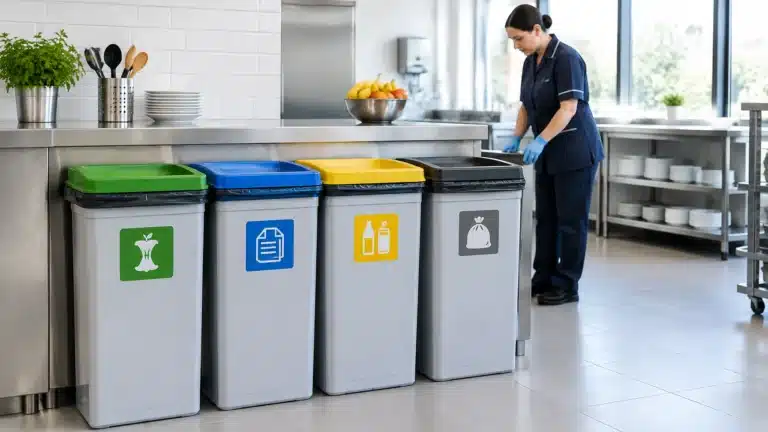
In many workplaces, waste sorting succeeds or fails in the everyday details: whether the right bin is nearby, whether the label is clear, and whether the waste is kept separate when it is collected. That makes recycling a practical part…
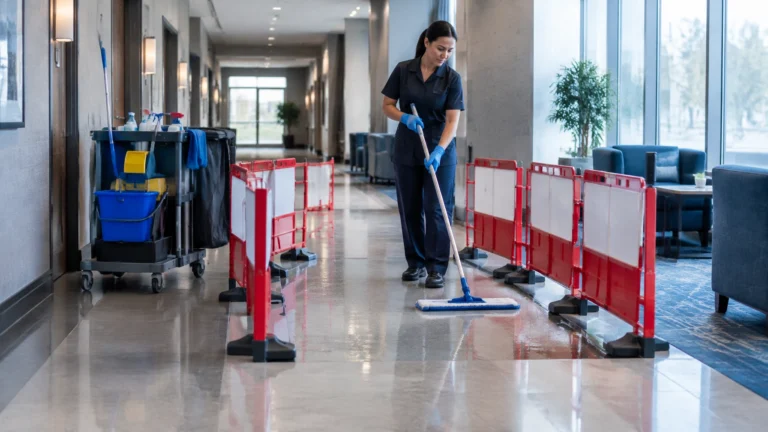
Slips, trips and falls on the same level accounted for 30 per cent of employee non fatal injuries reported by employers under RIDDOR in 2024 to 2025. There were 59,219 employer reported non fatal injuries in total. That makes slips…
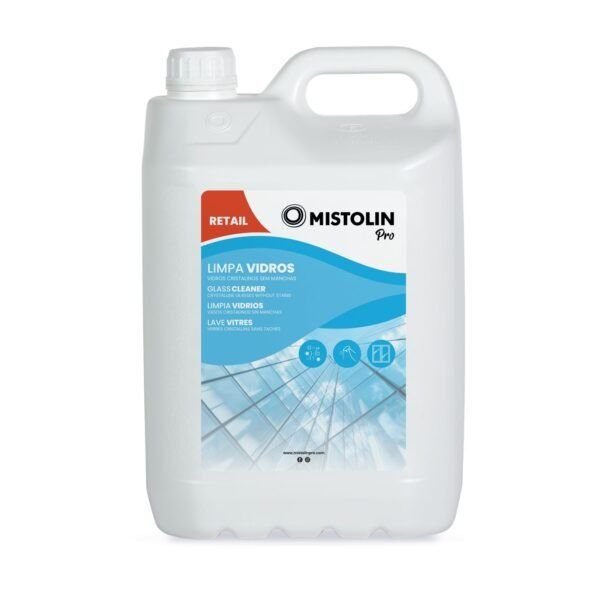
For facilities managers, housekeeping teams and trade buyers, choosing between glass cleaner and multi surface cleaner is less about finding one product that does everything and more about matching the product to the task. Glass needs to dry clear, without…

Late October brought a dense cluster of developments for the UK cleaning, hygiene and waste sector. A major distributor acquisition, an updated cost forecast, fresh accreditation campaigning, changes at professional bodies and an update to chemicals regulation all arrived within…

A cleaning cupboard may look like a small part of a building, but what is stored there, how it is used and what happens to waste can all affect fire safety. Cleaning teams move products around a site, work near…
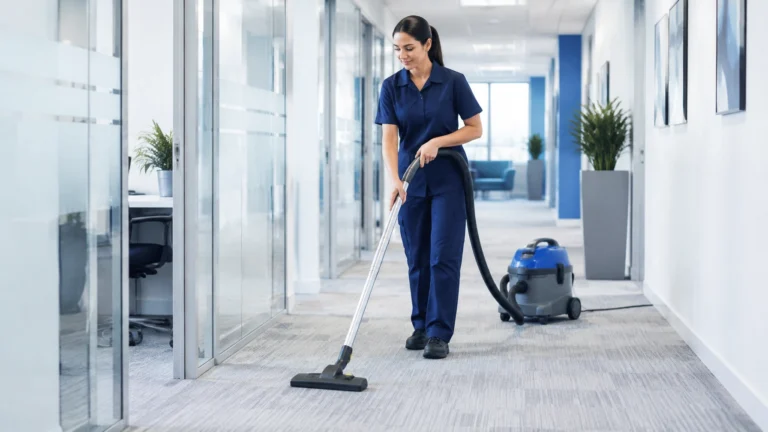
The word HEPA on a vacuum cleaner can sound like a complete assurance about the air it releases. It is not. HEPA describes a class of high efficiency filter, but a filter specification does not, by itself, confirm how well…
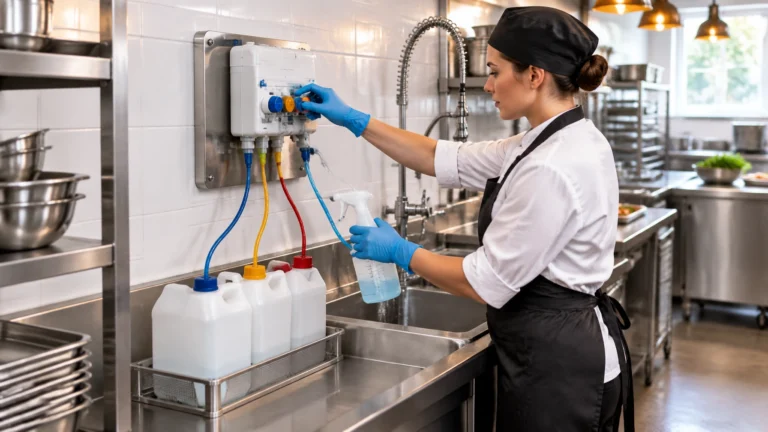
A cleaning chemical is only as reliable as the working solution made from it. The concentrate, water and method of dispensing all contribute to the result. If the amount of chemical varies from one refill to the next, cleaning performance,…
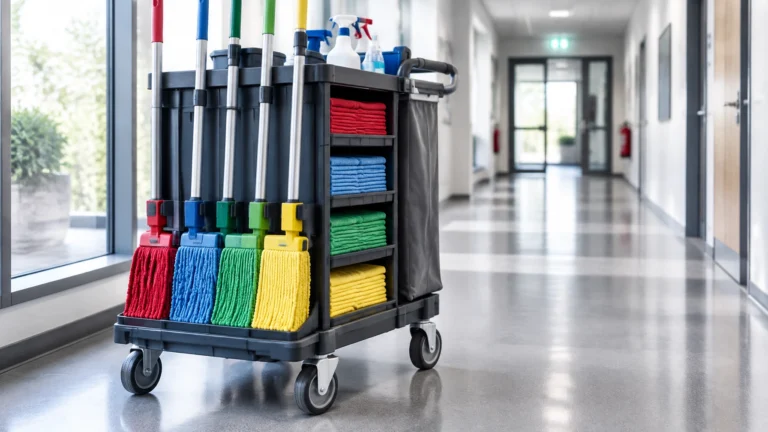
A clean surface can show that work has been done, but it cannot explain which method was used, whether the right tools were chosen or if the same result can be achieved on the next shift. A documented cleaning method…
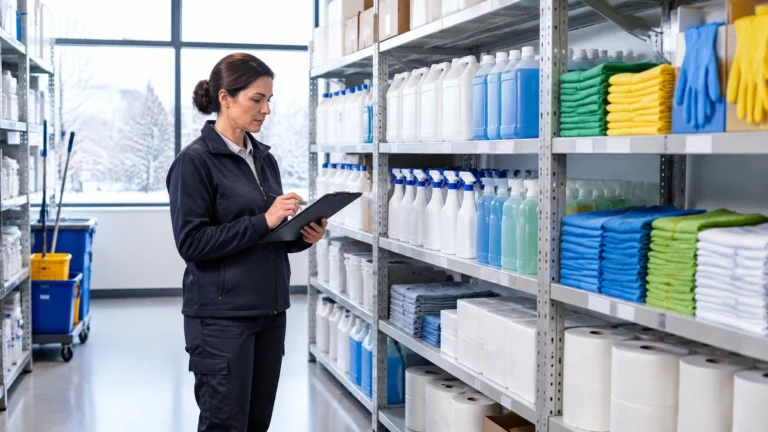
Winter puts pressure on cleaning operations in familiar ways: more illness, disrupted routines, staff cover and occasional delays in deliveries. Yet when a site runs short of a product, the problem is rarely that its cleaning chemistry is inherently inadequate.…
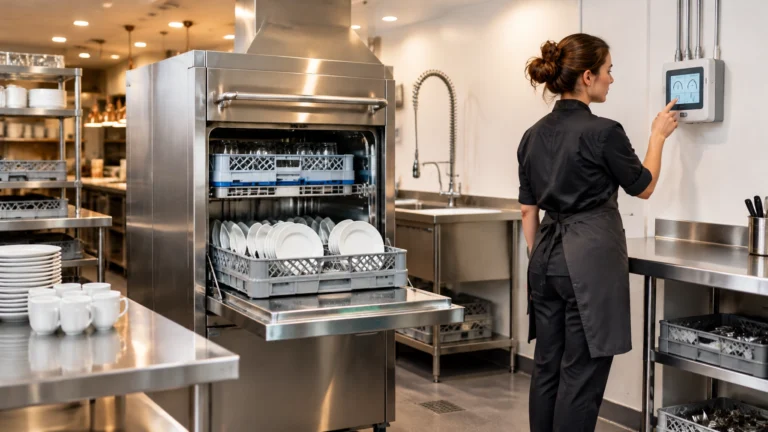
Cleaning has an environmental footprint beyond the products used. Heating water, running washing machines and dishwashers, and repeating a cleaning task all consume resources that can be easy to overlook when bills are recorded only at building level. For trade…
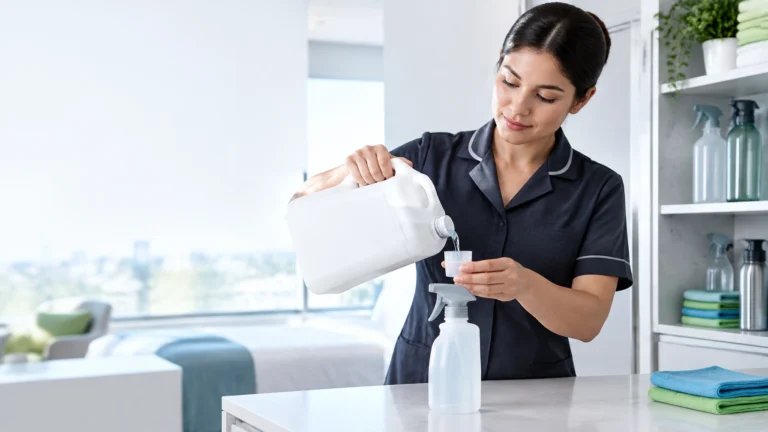
Concentrated cleaning products can help businesses reduce the amount of packaging and water they buy, store and transport. For facilities teams, hotels, restaurants and other high use workplaces, those changes may also make supply routines easier to manage and lower…

A care home is both someone’s home and a place where care is delivered. That combination makes cleaning different from both hospital cleaning and ordinary household routines. Residents share lounges, dining rooms, bathrooms and equipment, while staff provide close personal…
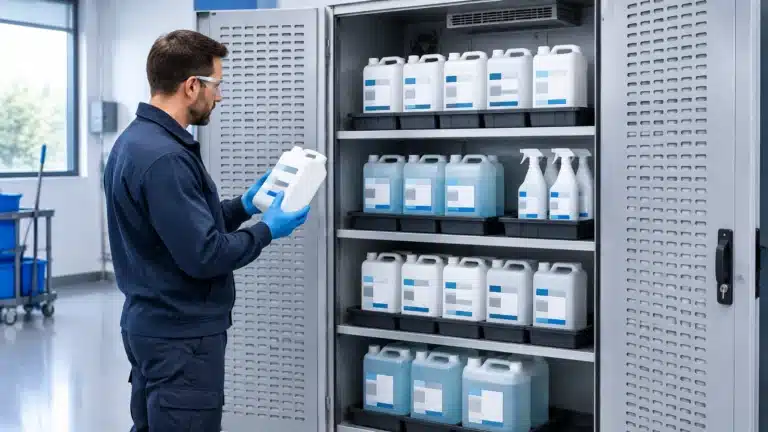
Professional cleaning chemicals help maintain kitchens, washrooms, floors and shared spaces. But safe results depend on more than choosing the right cleaner. Storage, handling and dilution all affect the risk of skin or eye injury, breathing problems and accidental chemical…
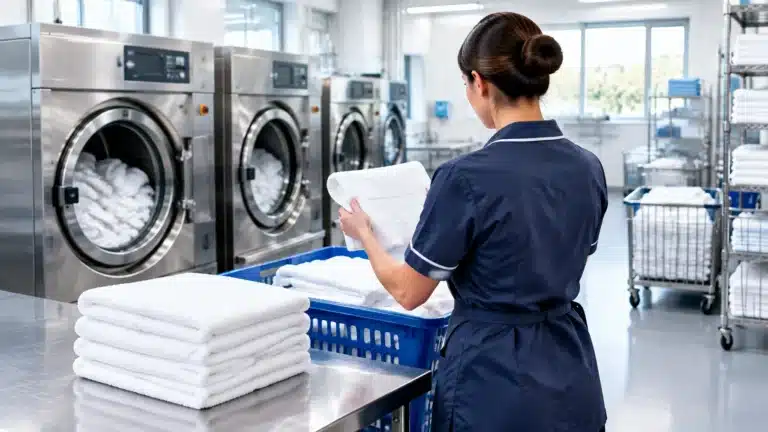
Laundry detergent and fabric softener are often used together, but they perform different jobs. Detergent is formulated to loosen soil and carry it away in the wash water. Fabric softener is usually added in the rinse, where conditioning ingredients settle…
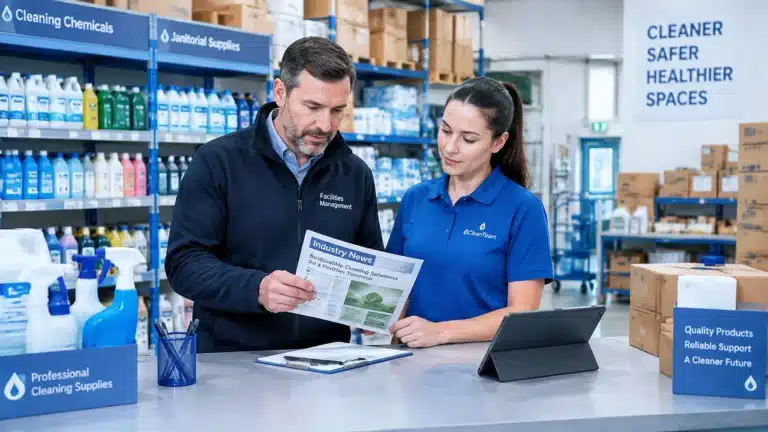
As October 2026 draws to a close, several developments are shaping the UK cleaning sector: a new voluntary wage benchmark, fresh public sector procurement routes, evidence of the industry’s economic scale and an important trade event now on the calendar.…

Cleaning work rarely happens in just one place. A contractor’s team may move between offices, kitchens, washrooms and shared corridors, often working on premises controlled by a client. When an incident occurs, this can leave supervisors unsure who should notify…

Each autumn, red poppies appear on coats, at memorials and in communities across the United Kingdom. For many people, wearing one is a quiet act of remembrance. It honours those who died in conflict and recognises the continuing service and…
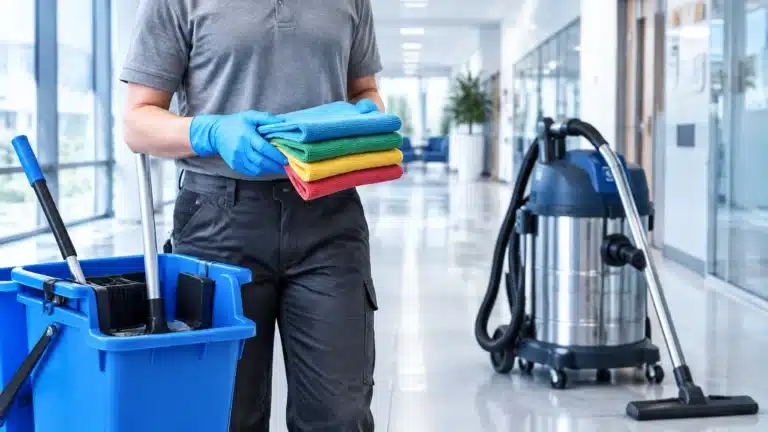
Cleaning tools are meant to collect dirt, dust and microbes. But once used, they can also carry them somewhere else. A cloth can move contamination from one surface to another. A mop can leave traces behind as it travels across…
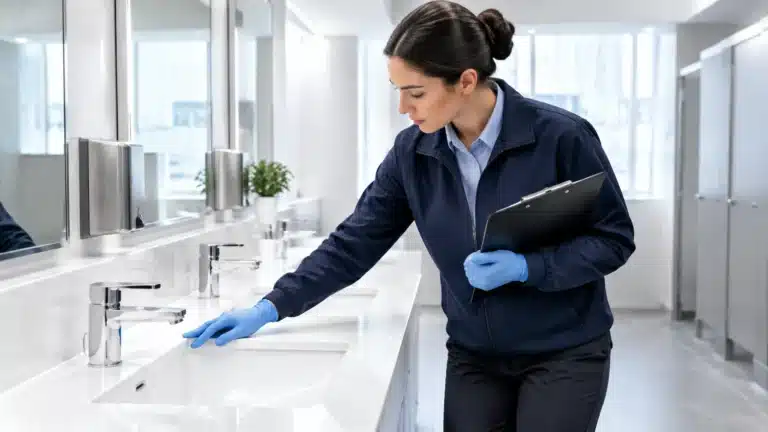
A written cleaning schedule is a promise about what should happen. It is not evidence that the work was completed, or that the result met the required standard. That distinction matters in every setting, from a busy restaurant kitchen or…
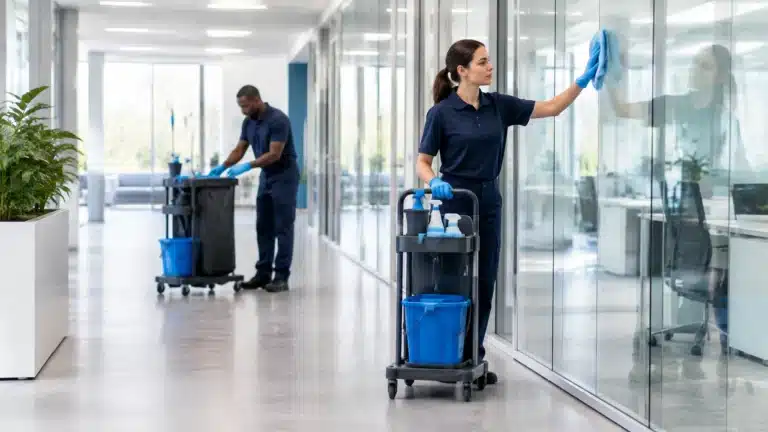
A cleaning budget can appear to be about bottles, cloths and equipment. In practice, the largest pressures often sit elsewhere: the paid time required to complete each task, the way shifts are planned, and the cost of maintaining consistent service…
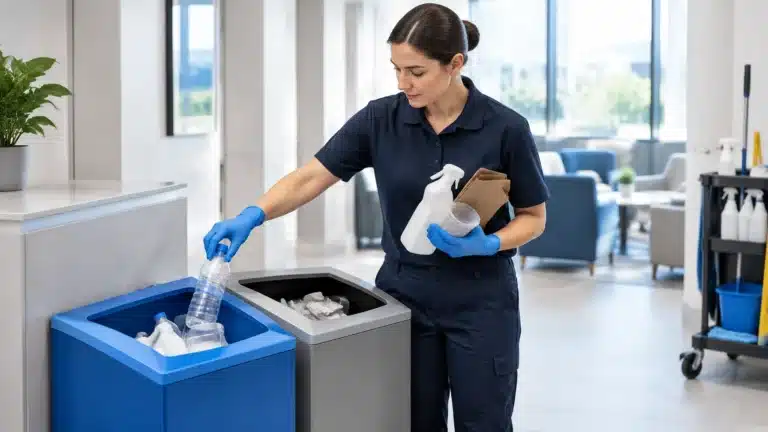
Sustainable cleaning is often described through a product label or a single feature. In day to day operations, however, its impact depends on more than what is printed on a bottle. The amount used, the task it is used for,…
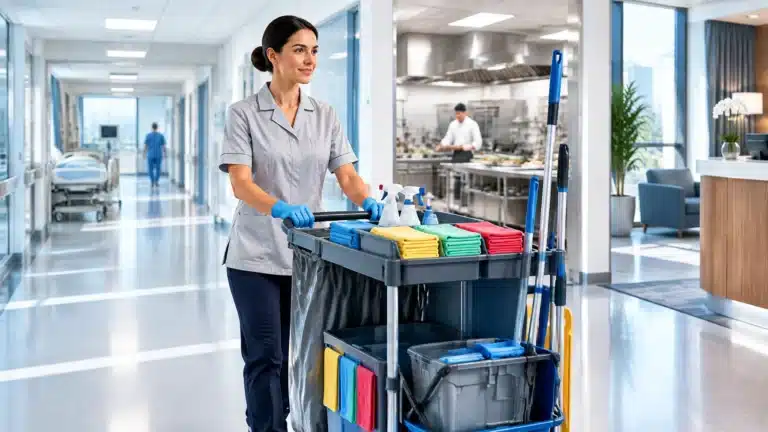
A cleaning schedule is only useful when it reflects the work taking place in the building. A hospital ward, a restaurant kitchen, a hotel bedroom and an office may all need clean surfaces and floors, but the risks, evidence and…
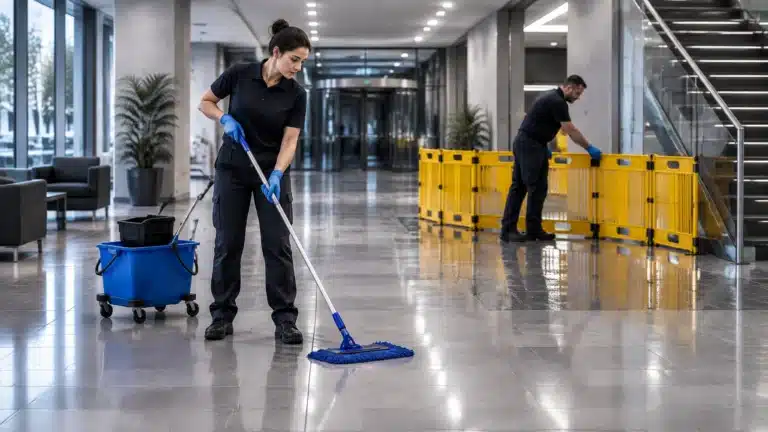
Cleaning risks are often ordinary, familiar and easy to underestimate. A damp corridor, a cable across a walkway, repeated bending to reach a low surface or a splash of concentrate on the skin can all seem like small problems in…
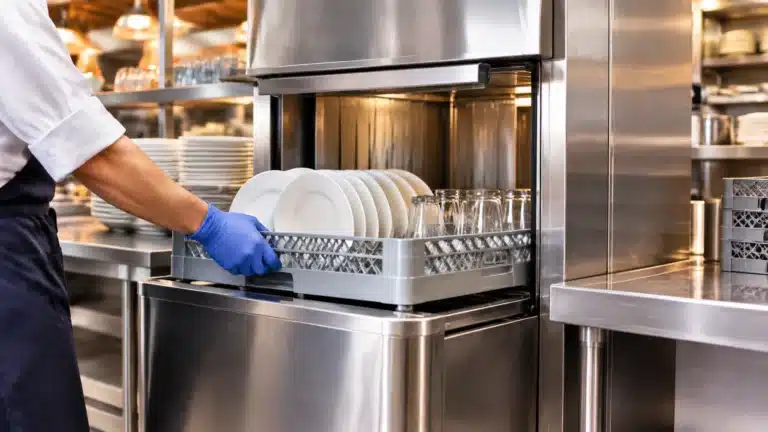
A bottle of washing up liquid, a container of machine detergent and a refill for a hand soap dispenser may all be cleaning supplies, but they are designed for different jobs. Using the right one helps remove soil effectively, supports…
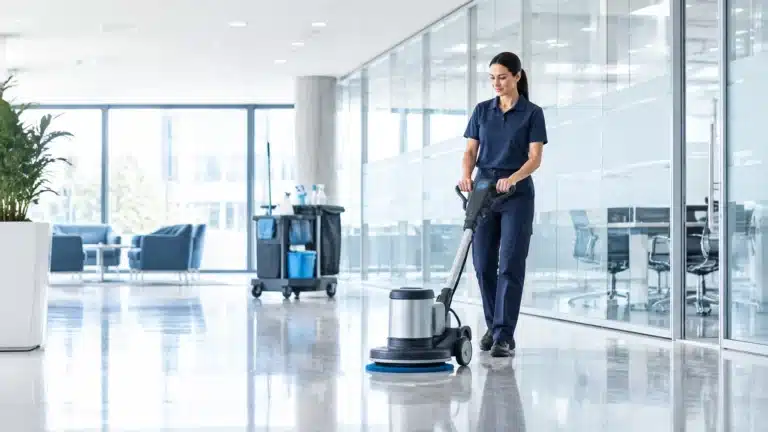
The most significant changes facing UK commercial cleaning businesses in 2026 are not confined to cleaning methods or products. Wage rates have risen, employment law is changing in stages, workplace recycling rules are already in force in England, packaging reporting…
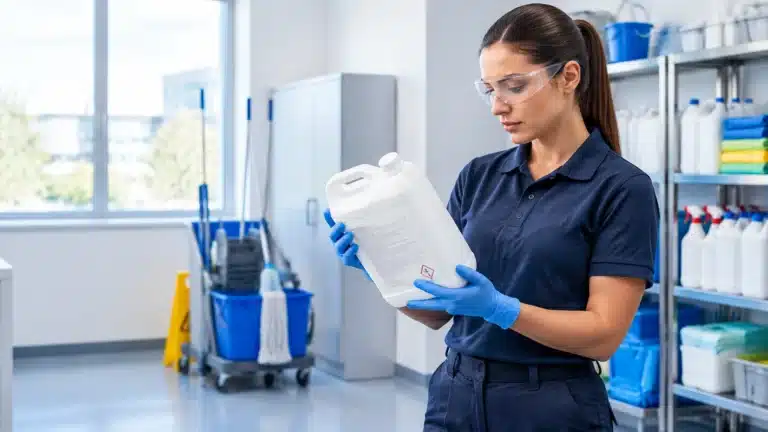
Cleaning chemicals help businesses maintain hygienic workplaces, but using them safely takes more than keeping product labels in a cupboard. Employers need to understand the risks created by the products and the way they are used, then put effective precautions…
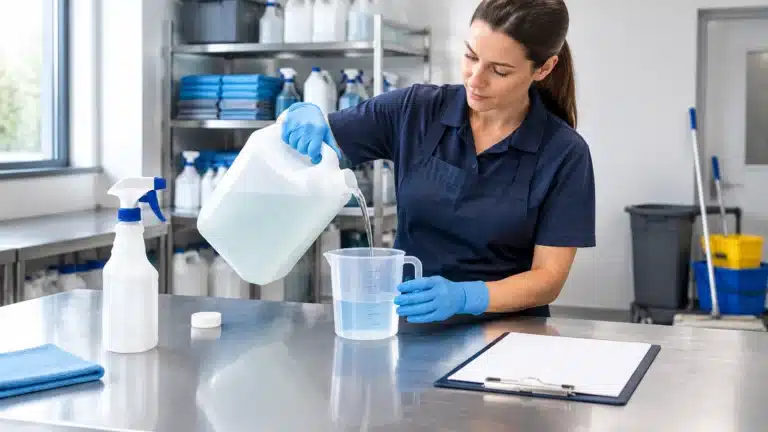
Category: Business & Operations A low purchase price does not always mean a low cleaning cost. Concentrated cleaning products can make many litres of working solution from a smaller container, but the real cost depends on more than the price…
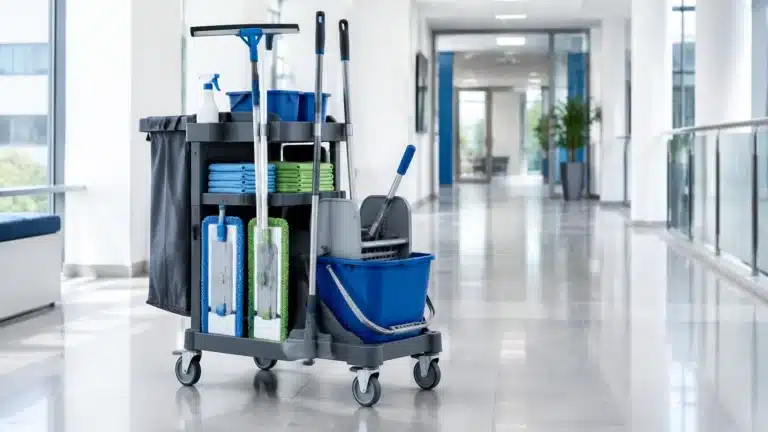
Cleaning results depend on more than the product in the bottle. The mop, cloth, bucket, brush or machine determines how effectively soil is lifted, how much water is used and how much effort the task places on the person doing…

Good cleaning standards depend on more than a spotless surface. Staff need to know what to clean, when to clean it, which method and product to use, and how a supervisor will check the result. A clear routine protects food…