

A washroom that runs out of soap during a busy service, has overflowing bins by lunchtime or leaves water on the floor creates more than an unpleasant impression. It increases cleaning pressure, wastes staff time and can undermine confidence in the whole site. This washroom supplies guide sets out how to build a dependable supply routine for workplaces, hospitality venues, public spaces and demanding homes.
The right approach is not simply to buy more products. It is to match paper, soap, dispensers, cleaning chemicals and consumables to the number of users, the washroom layout and the standard your visitors expect. When supplies are easy to access, perform properly and are replenished on time, teams can maintain a clean, safe environment without last minute substitutions.
What a washroom supplies guide should cover
Washroom provision works best as a complete system. Hand hygiene, drying, surface cleaning, waste disposal and odour control all affect one another. A good soap dispenser is of little value if there are no hand towels available. Likewise, freshly cleaned toilets can quickly look neglected if bins are not emptied often enough or mirrors are left streaked.
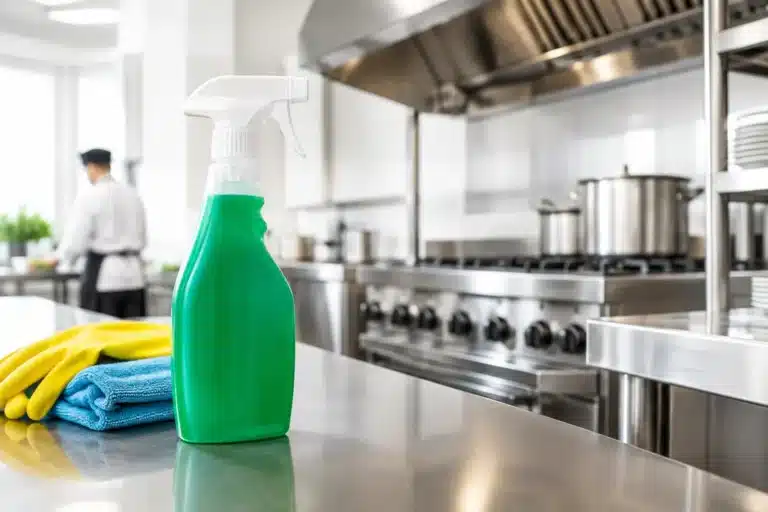
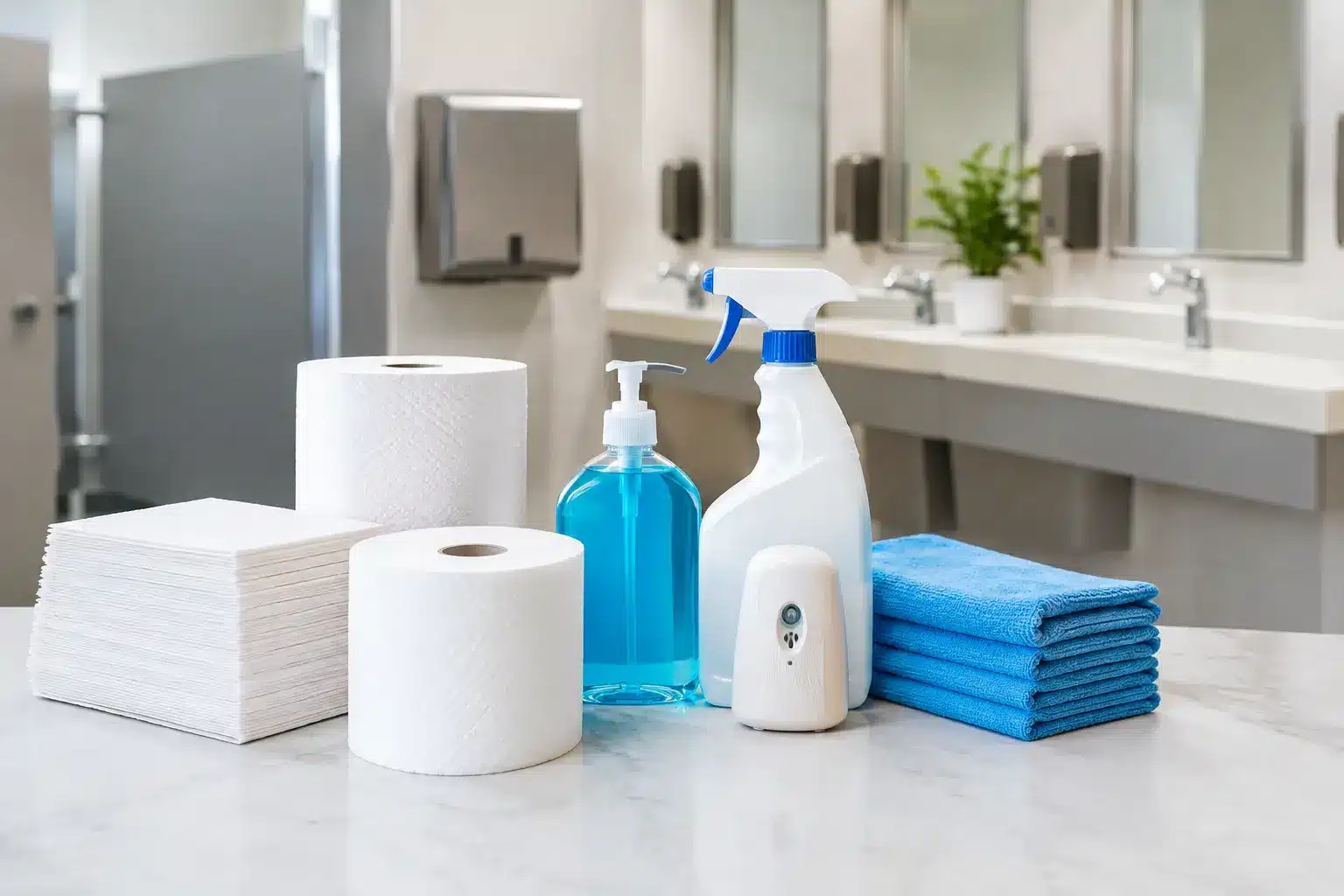
For most sites, the core requirement includes hand soap, toilet tissue, hand towels or hand dryers, dispensers, bin liners, toilet cleaner, washroom surface cleaner, descaler, sanitising products, cloths, mops and suitable personal protective equipment. The exact quantities and formats depend on the setting. A small office may need a straightforward weekly replenishment plan, while a restaurant or hotel needs close monitoring throughout every service period.
Products should also be practical for the people using them. Dispensers need to be simple to refill and sturdy enough for frequent use. Cleaning chemicals should have clear directions, appropriate dilution where required and compatibility with the surfaces on site. Choosing a professional grade product can reduce repeat cleaning, provided it is used correctly.
Assess the washroom before buying supplies
Start with the traffic pattern rather than a generic shopping list. Ask how many people use the washroom on an average day, when demand peaks and whether visitors, customers or staff have different facilities. A washroom next to a reception area has high visibility. One serving a commercial kitchen needs particularly consistent hand hygiene. A school, care setting or retail site may have intense demand at predictable times.
The layout matters too. Limited wall space may influence dispenser choice. Small cubicles need compact toilet roll dispensers, while large public facilities may benefit from high capacity units that reduce refill frequency. Consider whether cleaners can reach dispensers, bins and sanitary units easily during routine servicing. A product that saves pennies but adds several minutes to every clean is not necessarily the economical option.
Calculate use, then allow for peaks
Base stock levels on realistic usage and keep a reserve for busy days, events and delivery delays. Toilet tissue and hand towels are the consumables most likely to cause immediate disruption when they run out. Rather than ordering only when storage is empty, set a reorder point that gives your team enough stock to cover normal demand plus a sensible buffer.
Bulk purchasing often improves unit cost and protects continuity, particularly for facilities with recurring requirements. However, storage conditions still matter. Paper products should be kept dry and clean, while chemicals must be stored securely, upright and away from food areas. Do not buy volumes that exceed your usable storage or expiry needs simply because the price looks attractive.
Choose paper products for the setting
Paper quality has a direct effect on both user experience and consumption. Very thin toilet tissue may appear cheaper, but users often take more sheets. Low absorbency hand towels can lead to excessive use, wet floors and more waste. A better quality paper product can provide a lower cost per use where it reduces consumption.
For smaller offices and domestic washrooms, conventional toilet rolls may be suitable and familiar. In busy venues, jumbo rolls or controlled dispensing systems can cut the number of refill visits. The choice depends on the dispenser, available storage and the image of the facility. Hospitality venues may prioritise softness and presentation, while high traffic sites may favour capacity and controlled issue.
Hand towels offer an immediate, reliable drying option and can be especially useful where a fast turnover of users is expected. Folded towel formats need a dispenser that presents one towel at a time to limit waste. Centre feed rolls can suit back of house areas where rapid access is useful, but they may be less appropriate in customer facing washrooms if presentation is a priority.
Support effective hand hygiene
Soap should be pleasant to use, but performance and suitability come first. A dependable liquid hand soap encourages regular washing and should rinse away cleanly without leaving hands feeling uncomfortable. In food service, healthcare and other hygiene sensitive environments, the selected product and handwashing procedure should support your site rules and risk controls.
Dispensers are part of the decision. They should deliver a controlled dose, be easy to operate and protect the soap from contamination. Refillable systems can offer flexibility and reduce packaging, but only if staff follow clean refill practices. Sealed cartridge systems can make servicing quicker and help maintain consistency. There is no single right answer: the best choice is the one your team can maintain reliably.
Place soap and drying facilities close together so the process is intuitive. Check that dispensers are accessible for all users and that the area beneath them can be cleaned easily. Drips around soap units quickly make a washroom look uncared for, even when the rest of the room is clean.
Build a cleaning routine around surfaces and soils
Washrooms contain different soils, and one product should not be expected to solve every problem. Toilet bowls and urinals need products designed to remove limescale, organic deposits and staining. Washbasins, taps, dispensers and door handles need regular cleaning to remove splashes, fingerprints and residue. Mirrors require a glass cleaner that leaves a clear, streak free finish.
Hard water areas often need more frequent descaling. If limescale is allowed to build up around taps, inside toilet bowls or on shower screens, routine cleaning becomes slower and the finish deteriorates. A planned descaling programme is more effective than waiting until deposits are clearly visible.
Cleaners should work from cleaner areas towards dirtier ones, using separate cloths or colour coded equipment to reduce the risk of cross contamination. Toilet areas require dedicated tools that are never used on washbasins, mirrors or other general surfaces. Fresh cloths, correctly prepared solutions and regular mop head changes are small disciplines that make a visible difference.
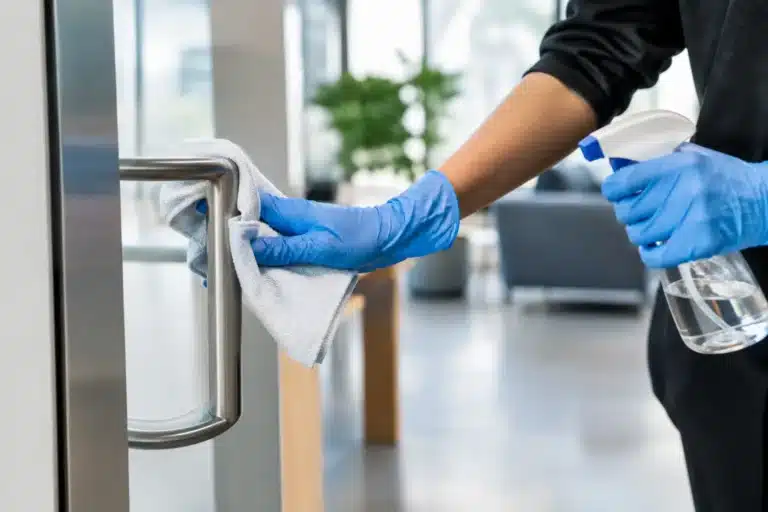
Pay attention to touchpoints. Flush plates, cubicle locks, door handles, taps, dispenser levers and light switches receive frequent contact. Their cleaning frequency should reflect footfall, not just the number of scheduled cleaning visits. During busy periods, a short service check can restore soap, paper and general presentation before standards slip.
Manage waste, odour and floor safety
A washroom can be clean and still feel poorly managed if bins overflow or odours linger. Select bins with liners that fit properly and establish emptying frequencies based on actual demand. Sanitary waste must be handled through an appropriate service and should never be treated as general waste.
Odour control begins with cleaning, ventilation and waste removal. Fragrance can improve the visitor experience, but it should not be used to disguise a cleaning issue. Persistent odours may point to drains, inadequate extraction, infrequent bin servicing or missed cleaning around the base of toilets and behind sanitaryware.
Floors need particular care. Water, soap and cleaning residues create slip risks, especially in busy washrooms. Use the correct floor cleaner for the material, avoid over wet mopping and allow enough drying time. Warning signs should be used whenever floors are being cleaned or remain wet. This protects visitors and gives staff a clear, consistent procedure.
Make purchasing easier for the cleaning team
Consistency is valuable. Standardising compatible dispensers, paper formats and core cleaning products across a site or group of sites makes training, ordering and stock checks easier. It also prevents a cleaner arriving at a washroom with a refill that does not fit the unit on the wall.
Keep a simple record of what is used, how often it is ordered and where problems occur. If hand towels disappear too quickly, investigate whether the dispenser is releasing too many at once. If a toilet cleaner is not removing scale, review the product choice, contact time and cleaning frequency before increasing usage. Better information leads to better purchasing decisions.
KleanPro Supplies supports organisations that need reliable access to professional cleaning essentials, from washroom paper and hygiene products to surface care and protective equipment. For regular users, buying the right products in workable quantities helps control costs without compromising the standard of the facility.
The best washroom supply plan is one your staff can follow on their busiest day. Choose products that fit the site, keep a sensible reserve, and review usage before a shortage becomes visible to the people walking through the door.