
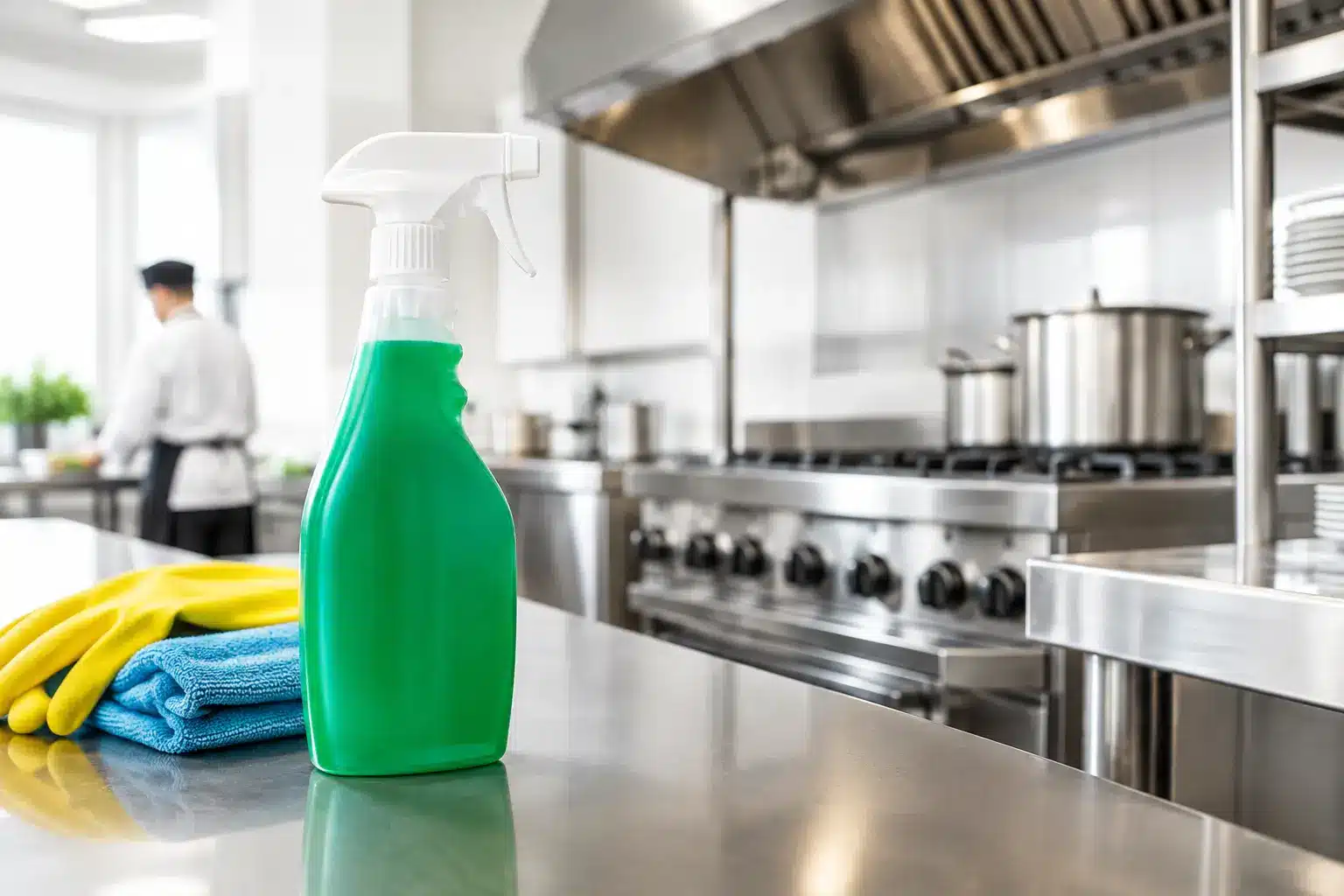

A busy kitchen does not have time for products that merely shift surface grime around. Grease builds quickly around cookers, extraction areas, splashbacks, preparation zones and equipment handles, creating a cleaning task that affects hygiene, appearance and staff efficiency. Mistolin Pro degreaser is designed for those demanding jobs, providing professional grade cleaning power for commercial teams and quality focused household users.
For restaurant managers, contract cleaners and facilities teams, choosing the right degreaser is about more than making stainless steel look presentable. The product must help staff remove stubborn deposits consistently, fit into safe working procedures and support a cleaning routine that can be repeated every day. For home users, the same standard matters when tackling ovens, hobs and well used kitchen surfaces.
Where Mistolin Pro degreaser earns its place
Grease is rarely confined to the obvious places. Vapours from frying and cooking settle on walls, tiles, cupboard fronts, extractor canopies and the tops of equipment. Over time, these residues bind with dust and food particles, becoming harder to remove with an ordinary all purpose cleaner.
Mistolin Pro degreaser is most useful where soil is oily, baked on or repeatedly redeposited. In hospitality settings, that may mean cooklines, serving counters, splashbacks and external equipment surfaces. In staff kitchens and office break rooms, it can help maintain microwaves, worktops and appliance exteriors before build up becomes a larger maintenance job.
The right result is not simply a visibly cleaner surface. Effective degreasing supports safer food preparation areas, reduces the chance of staff handling slippery residues and makes routine cleaning faster. When grease is removed thoroughly, the next clean is usually easier too.
Match the product to the surface and soil
A degreaser should be selected according to the surface, the amount of grease present and the cleaning procedure already in place. A light daily film on sealed tiles needs a different approach from heavy cooking residue on a stainless steel cooker surround. Applying more product than necessary is not always the answer. Correct dilution, contact time and agitation often make a greater difference.
Always check the product label and the surface manufacturer guidance before use. This is particularly important for aluminium, painted finishes, untreated wood, natural stone, delicate plastics and other materials that may be affected by strong cleaning products. Testing a small, inconspicuous area first is a sensible precaution, especially in premises with varied fixtures or older equipment.
For food preparation surfaces, use the appropriate cleaning process for the task and rinse where the label or site procedure requires it. Degreasing removes oily soil, but it is not a substitute for any separate sanitising or disinfection step required by your hygiene plan. Keeping these stages clear helps teams maintain proper standards rather than relying on one product to do every job.
A practical cleaning method for better results
Cleaning results can vary widely even when teams use the same product. The difference usually comes down to preparation and method. Remove loose food debris and excess soil first, as this prevents the degreaser from being wasted on material that can be lifted away easily.
Apply Mistolin Pro degreaser in line with the label directions, taking care not to overspray into electrical components, food or unsuitable materials. Give it sufficient time to work on the grease, particularly on areas affected by repeated cooking. On stubborn deposits, use a suitable cloth, pad or brush to loosen the soil without damaging the surface.
Wipe away the dissolved residue thoroughly. Where required, rinse with clean water and dry the surface with a clean cloth. This final step matters on stainless steel, glass adjacent to cooking areas and other visible finishes, where leftover cleaning solution can leave marks or attract fresh soil.
For teams working across several areas, clean from less soiled zones towards heavier grease areas and use colour coded cloths where your site system requires them. This reduces the risk of transferring dirt from equipment exteriors to work surfaces. It also gives supervisors a clearer, more repeatable routine to train against.
Using a degreaser safely in working environments
Professional cleaning products perform best when handled with professional care. Staff should read the product information, follow dilution and application instructions, and wear any personal protective equipment specified on the label or in the workplace risk assessment. Gloves are commonly appropriate for degreasing tasks, particularly where repeated contact is likely.
Good ventilation is also worth considering when cleaning enclosed kitchens, utility rooms or areas with limited airflow. Do not mix degreasers with other cleaning chemicals unless the manufacturer specifically states that this is safe. Mixing products can create avoidable risks and can reduce cleaning performance.
Store products securely in their original, clearly labelled containers and away from food, heat sources and unauthorised access. For cleaning contractors and multi site operators, consistent storage and labelled dispensing arrangements help prevent errors when staff move between locations.
Building Mistolin Pro degreaser into a cleaning schedule
A degreaser delivers the most value when it is part of a planned cleaning system rather than an emergency response to visible build up. In a commercial kitchen, light grease removal may form part of the daily close down routine, while detailed cleaning of canopy surrounds, wall tiles and equipment exteriors may be scheduled weekly or according to operational need.
The correct frequency depends on cooking volume, menu type, ventilation quality and the surfaces in use. A café preparing sandwiches will not face the same residues as a busy restaurant with a fryer and grill operating throughout service. Reviewing problem areas after a few weeks can help managers adjust the routine and allocate time where it has the greatest impact.
For household users, regular attention to hobs, splashbacks and appliance fronts prevents the hard, sticky film that often makes deep cleaning feel overwhelming. A measured, routine approach is usually more economical than reaching for extra product after grease has been left to accumulate.
Dependable supply for routine cleaning
Cleaning teams need products that are available when scheduled work is due. Unexpected stock gaps can force staff to substitute unsuitable products, slow down cleaning or leave important tasks incomplete. For organisations with regular usage, ordering in practical volumes and monitoring consumption makes budget planning easier and helps maintain a consistent standard across sites.
KleanPro Supplies supports commercial and domestic buyers with professional cleaning products suited to real working environments. For trade customers, a dependable supply arrangement can simplify repeat ordering while giving teams confidence that the products specified in their cleaning procedures remain available.
A well maintained kitchen reflects the care behind the operation. Used correctly and on suitable surfaces, Mistolin Pro degreaser can help teams deal with greasy build up efficiently, protect the condition of key work areas and keep cleaning standards practical to maintain day after day.