


A commercial kitchen can appear clean at the end of a shift while still costing far more than it should. Overused chemicals, unnecessary repeat cleaning, wasted paper products and time spent looking for supplies all add up. Knowing how to reduce cleaning costs starts with treating cleaning as an operational system, not simply a list of products to buy at the lowest price.
The aim is not to reduce hygiene standards or ask teams to work faster with inadequate equipment. It is to remove waste from the process while keeping washrooms, kitchens, guest areas, offices and care environments consistently safe, presentable and compliant.
How to reduce cleaning costs without lowering hygiene
The lowest unit price rarely produces the lowest cleaning bill. A cheaper product that requires more chemical, more scrubbing or a second application can cost more in labour and consumables than a professional grade alternative that works first time.
Look at the total cost of each task. This includes chemical use, staff time, water, cloths, paper, equipment wear and the cost of rectifying poor results. For a hospitality operator, a poorly cleaned washroom can also lead to complaints and lost custom. In a food setting, inadequate degreasing creates a far more serious safety and compliance risk.
Start by identifying the areas that consume the most time or stock. Grease removal, washroom cleaning, dishwashing, laundry and high touch surfaces are common pressure points. A short review of these tasks often reveals where products are being used incorrectly or where a cleaning routine no longer matches the site’s needs.
Measure use before changing your buying
It is difficult to control costs based on invoices alone. Record how much cleaning chemical, paper, bin liners and disposable PPE each area uses over a typical four week period. Compare this against footfall, occupancy, covers served or the number of rooms cleaned.
For example, a busy washroom will naturally use more soap and hand towels than a low use staff facility. If two comparable washrooms have very different usage levels, investigate the cause. A dispenser may be releasing too much product, a leak may be present, or staff may be replenishing stock before it is needed.
Keep the process straightforward. A weekly stock count of high value or fast moving lines is usually more useful than an overcomplicated spreadsheet that nobody has time to maintain. The goal is to spot unusual consumption early and make an informed purchasing decision.
Use the correct dilution every time
Chemical overdosing is one of the most common and avoidable causes of overspend. Stronger does not automatically mean cleaner. Using more concentrate than the manufacturer recommends can leave residues, damage sensitive surfaces and increase rinsing time. It also means every bottle runs out sooner than it should.
Provide clear dilution guidance at the point of use. Wall charts, labelled spray bottles and measured dosing equipment make it easier for staff to get the ratio right during a busy shift. Where a product is supplied ready to use, reserve it for tasks where speed, convenience or precise application genuinely justifies the cost.
Concentrated professional products can provide good value when teams are trained to dilute them accurately. However, they are not the right choice for every site. A small business with limited storage or occasional cleaning needs may benefit more from ready to use products that reduce handling errors. The right option depends on volume, staff training and the type of cleaning being carried out.
Match the product to the surface and soil
One all purpose cleaner has a place in daily maintenance, but it cannot replace every specialist product. Using the wrong chemical can lead to repeated applications, surface damage and unnecessary labour. A degreaser should deal effectively with baked on kitchen soil, while a glass cleaner should leave a clear, streak free finish without excessive wiping.
Separate products by task: kitchen degreasing, washroom hygiene, floor care, glass cleaning, laundry, dishwashing and drain maintenance. This helps teams work with confidence and protects finishes such as stainless steel, glass, sealed floors and food preparation surfaces.
A reliable product range also reduces the temptation to use whatever happens to be available in the cupboard. KleanPro Supplies supports this approach with professional grade products suited to specific cleaning environments, helping buyers maintain consistent results across routine and demanding tasks.
Reduce labour time through better routines
Labour is often the largest cleaning cost, so a few minutes saved from repeated tasks can make a meaningful difference over a month. The answer is not rushed work. It is a better sequence of work.
Clean from cleaner areas towards dirtier areas, and allow products the stated contact time before wiping or rinsing. When a disinfectant or degreaser is removed immediately, staff may need to repeat the job because the product has not had time to work. Correct dwell time can reduce scrubbing and improve hygiene at the same time.
Prepare tools and supplies before the shift starts. A cleaner walking between a store room and a washroom several times each day loses productive time and may use substitute products. Fully stocked cleaning trolleys, colour coded cloth systems and clearly assigned zones help teams complete tasks consistently.
Review task frequencies as well. Some surfaces need attention several times a day because of heavy use, while others can be cleaned less often without affecting appearance or hygiene. Adjust routines according to actual traffic and risk, not habit alone.
Control stock without creating shortages
Buying in bulk can lower the price per unit, reduce delivery costs and protect against unexpected supply gaps. It works best when storage is clean, dry, secure and organised. Overstocking products that have a limited shelf life or are rarely used ties up cash and increases the chance of damage or expired stock.
Set minimum stock levels for essential products and reorder before the supply becomes critical. For a restaurant, these may include degreaser, dishwashing chemicals, hand soap, sanitiser, paper towels and refuse sacks. For an office or accommodation provider, washroom products, glass cleaner, laundry supplies and bin liners may be more relevant.
Use stock rotation so older products are used first. Keep original labels visible and never decant chemicals into unlabelled containers. Clear storage practices reduce waste, support safe handling and prevent staff from opening a new container when an existing one is already in use.
Maintain equipment that saves effort
Worn mops, blocked vacuum filters, damaged squeegees and poorly maintained dishwashers all increase cleaning time and product use. Equipment should be checked regularly, cleaned after use and replaced when its performance drops.
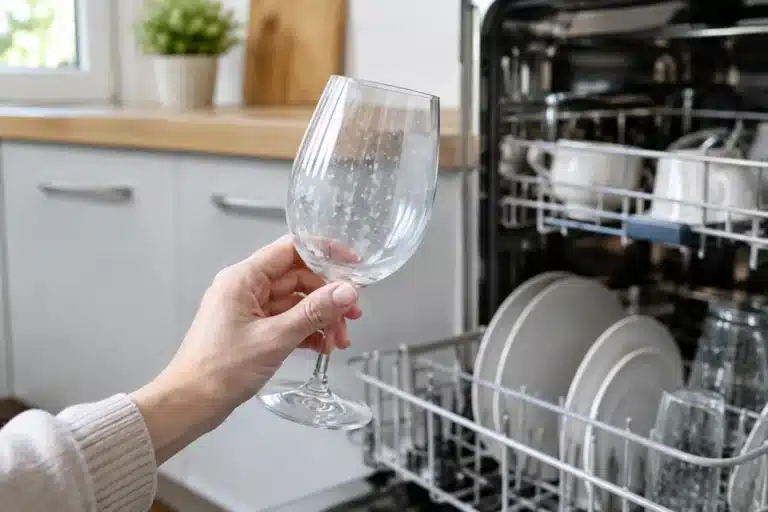
A machine that leaves floors too wet may require extra drying and create a slip risk. A dishwasher affected by scale or grease may deliver poor results, leading staff to rewash crockery and use more detergent. Scheduled care products and basic maintenance protect equipment performance and avoid the expense of avoidable repairs.
The same principle applies to dispensers. A leaking soap dispenser, a paper towel unit that releases too many sheets or an incorrectly set dosing pump can quietly add substantial cost across several locations.
Give staff practical product training
Even the best products will not control costs if teams are unsure how to use them. Training should cover dilution, contact times, suitable surfaces, PPE requirements, storage and what to do when a result is not as expected.
Keep guidance practical and specific to the site. Show kitchen staff how to remove grease safely from equipment, explain how housekeeping teams can avoid streaks on mirrors, and make sure washroom teams understand the difference between cleaning and disinfecting. Short refresher sessions are usually more effective than a lengthy manual left in a cupboard.
Invite staff to report recurring problems. They are often the first to notice a product that is not suited to a particular surface, an empty dispenser or a task that is taking too long. Their feedback can prevent waste before it becomes part of the routine.
Lower cleaning costs come from small, controlled improvements made consistently: accurate dosing, suitable products, maintained equipment and teams who know the standard expected. When each cleaning task achieves the right result first time, the budget has room to work harder where it matters most.