Newsletter Subscribe
Subscribe for news, offers and a welcome 5% discount on us.
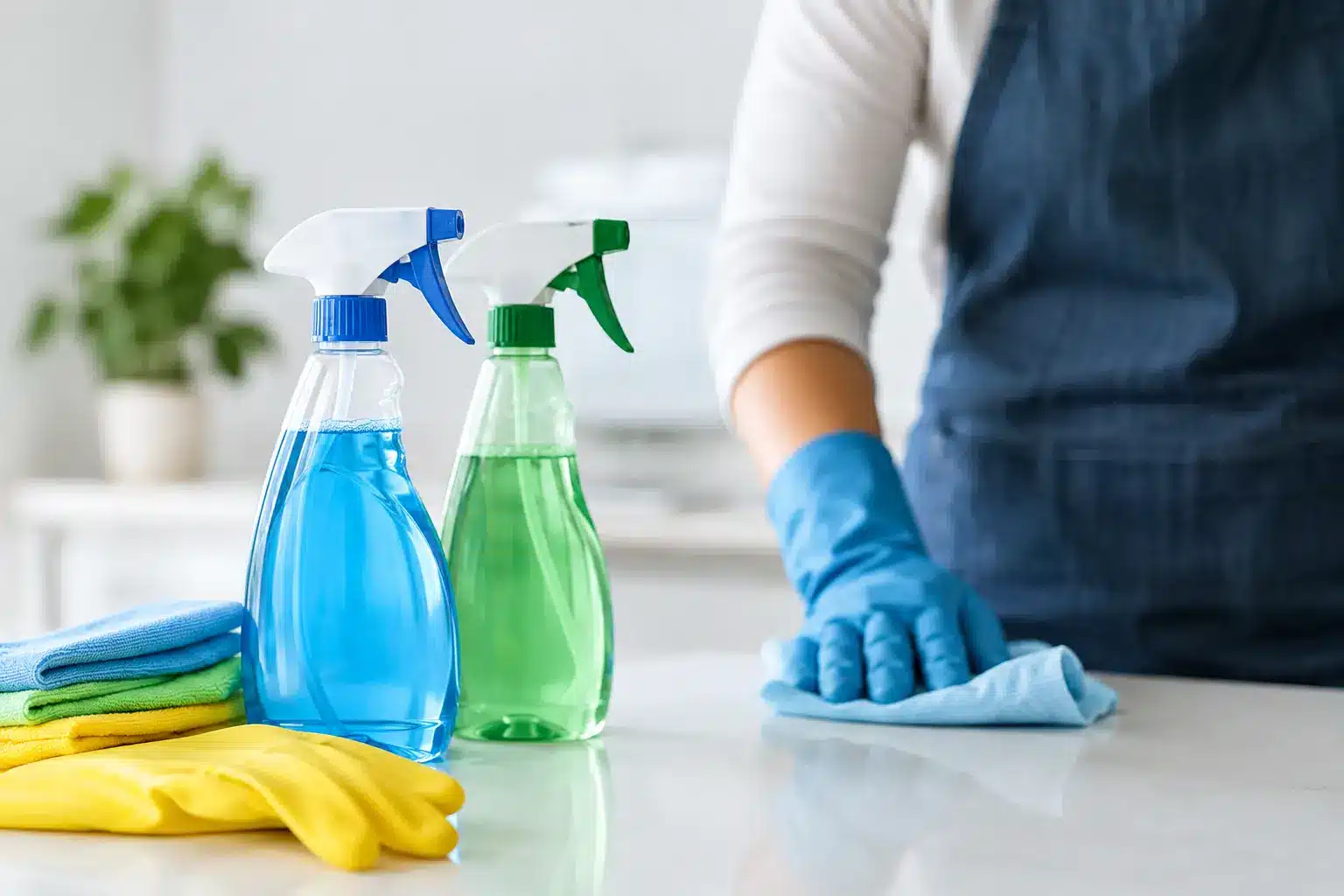
Choose cleaning chemicals for kitchens, washrooms and busy workplaces with clear advice on safety, dilution, surface care and reliable, daily results.
A washroom can look clean at 8am and still fail the test by lunchtime. A commercial kitchen can smell fresh while grease remains on extraction areas and food preparation surfaces. The difference is rarely effort alone. Cleaning chemicals need to match the soil, the surface, the setting and the task at hand.
For facilities teams, hospitality operators and households managing demanding spaces, the right products reduce repeat work, support hygiene standards and help staff achieve a consistent finish. The wrong product can waste time, leave residue, damage surfaces or create a safety concern.
There is no single product that performs every cleaning task equally well. An all purpose cleaner is valuable for routine wiping, but it may not cut through baked on kitchen grease. A strong descaler may restore a tap or shower screen, but it is not suitable for every metal, stone or painted surface. Good cleaning starts with a clear view of what needs to be removed.
In everyday operations, soils usually fall into a few familiar groups. Grease and oil build up in kitchens, on worktops, around cookers and in food service areas. Limescale appears in washrooms, staff kitchens and hard water locations. Organic soiling can affect bins, toilets and floors. Dust, fingerprints and general marks are more common in offices, reception areas, retail spaces and homes.
A degreaser is designed to lift oils and fats. A washroom cleaner can address limescale, soap residue and water marks. Glass cleaner is formulated to leave a clear finish without smearing. Dishwashing products must perform effectively while rinsing cleanly from crockery, utensils and glassware. Selecting by application gives better results than reaching for the strongest bottle on the shelf.
Surface compatibility matters just as much. Stainless steel, aluminium, natural stone, wood, painted finishes, laminate and glass each respond differently to chemical exposure. A product that works well on ceramic tiles may dull or mark a sensitive surface. Check the label guidance and test a discreet area when a surface is unfamiliar or valuable.
It is tempting to assume that a more concentrated or more heavily scented product will do a better job. In practice, performance depends on correct use. Professional grade formulations are designed to work at a stated dilution, with enough contact time and the right mechanical action from a cloth, mop, brush or scourer.
Using too much chemical can be counterproductive. It may leave a sticky film on floors, create streaks on glass or increase the amount of rinsing required in food areas. It also raises cost per clean. Using too little can leave soil behind and lead staff to repeat the task, again increasing labour and product use.
Dilution control is particularly useful for organisations cleaning multiple sites or high traffic premises. Measured dispensing helps keep results consistent across shifts and teams. It also makes stock usage easier to predict, which supports sensible purchasing and reduces the risk of running out during busy periods.
Contact time deserves attention. A cleaner or sanitising product needs time on the surface to work as directed. Spraying and immediately wiping may be appropriate for a light clean, but it may not deliver the required hygiene outcome where heavier contamination is present. Follow the instructions for each product and build that timing into the cleaning routine.
Commercial kitchens need products that support cleanliness without compromising food safety. Grease removal is a daily requirement on cookers, splashbacks, work surfaces and equipment exteriors. Dishwashing chemicals need to remove food residue and grease while allowing plates, cutlery and glassware to rinse properly.
Keep cleaning products clearly separated from food and food packaging. Store them in their original labelled containers and use dedicated cloths and equipment for different areas. In busy kitchens, clear labelling and straightforward colour coding can prevent avoidable mistakes when several staff members share the same store cupboard.
Drain care is another practical consideration. Slow running drains can affect hygiene, odour and service. The correct drain product can help deal with build up, but it should be used according to instructions and never mixed with another chemical. If a blockage is persistent or severe, a maintenance issue may need attention rather than repeated chemical treatment.
After cleaning food contact surfaces, follow the product instructions on rinsing. This is one area where speed should not replace process. A clean, properly rinsed preparation area protects standards and gives kitchen teams confidence at the start of service.
Washrooms are judged quickly by visitors, guests, staff and customers. Water marks on taps, odours around toilets, empty dispensers and dull floors can undermine the impression of an otherwise well managed premises.
An effective routine usually combines frequent checks with the right products for toilets, basins, urinals, mirrors, fittings and floors. Limescale removal may need targeted attention in hard water areas, while daily cleaning focuses on soil, splashes and touchpoints. Fragrance can improve the experience, but it should not be used to disguise inadequate cleaning.
Toilet and washroom chemicals should be handled with care. Products with different ingredients can react dangerously if mixed. Staff should use the recommended protective equipment, keep containers closed when not in use and ensure adequate ventilation where required. Clear training is not an administrative extra. It protects people, surfaces and cleaning standards.
Cleaning chemicals perform best when they are stored correctly. Keep products in a secure, dry area away from direct heat, food and unauthorised access. Labels must remain legible, and chemicals should not be decanted into unmarked spray bottles or drink containers.
For larger premises, it helps to organise stock by task. Kitchen chemicals, washroom products, laundry care and general cleaning supplies can be kept in clearly identified sections. This makes daily issue simpler and helps managers see what is being used unusually quickly.
Personal protective equipment should reflect the task and the product instructions. Gloves may be appropriate for routine cleaning, while eye protection or protective clothing may be needed for concentrated products, decanting or heavy duty cleaning. A safety data sheet should be available to staff who use or manage chemical products.
Buying on unit price alone can create false economies. A cheaper product that needs more quantity, takes longer to work or leaves surfaces requiring a second clean may cost more over time. Consider the usable dilution, expected coverage, staff time, packaging format and frequency of delivery.
Bulk purchasing can provide useful cost control for sites with predictable demand, particularly hotels, restaurants, contract cleaners, care settings and facilities teams. It depends on having suitable storage and choosing products with a realistic rate of use. Overstocking specialist products that are rarely needed can tie up space and budget, while under ordering essential items creates disruption at the worst possible moment.
KleanPro Supplies supports customers who need dependable access to professional cleaning products, including the Mistolin Pro range, alongside the equipment, paper goods and protective essentials that keep routines moving. The goal is not simply to fill a cupboard. It is to help cleaning teams maintain a reliable system.
A well chosen chemical range gives staff clear purpose: one product for grease, one for washroom scale, one for glass, one for floors and suitable care products for laundry, dishes and drains. That clarity reduces guesswork, improves surface care and makes training easier for new team members.
The most useful cleaning chemicals are the ones your team can use confidently, correctly and consistently. Build the range around your actual surfaces and cleaning pressures, then give every product the time, tools and handling discipline it needs to do its job properly.