Newsletter Subscribe
Subscribe for news, offers and a welcome 5% discount on us.
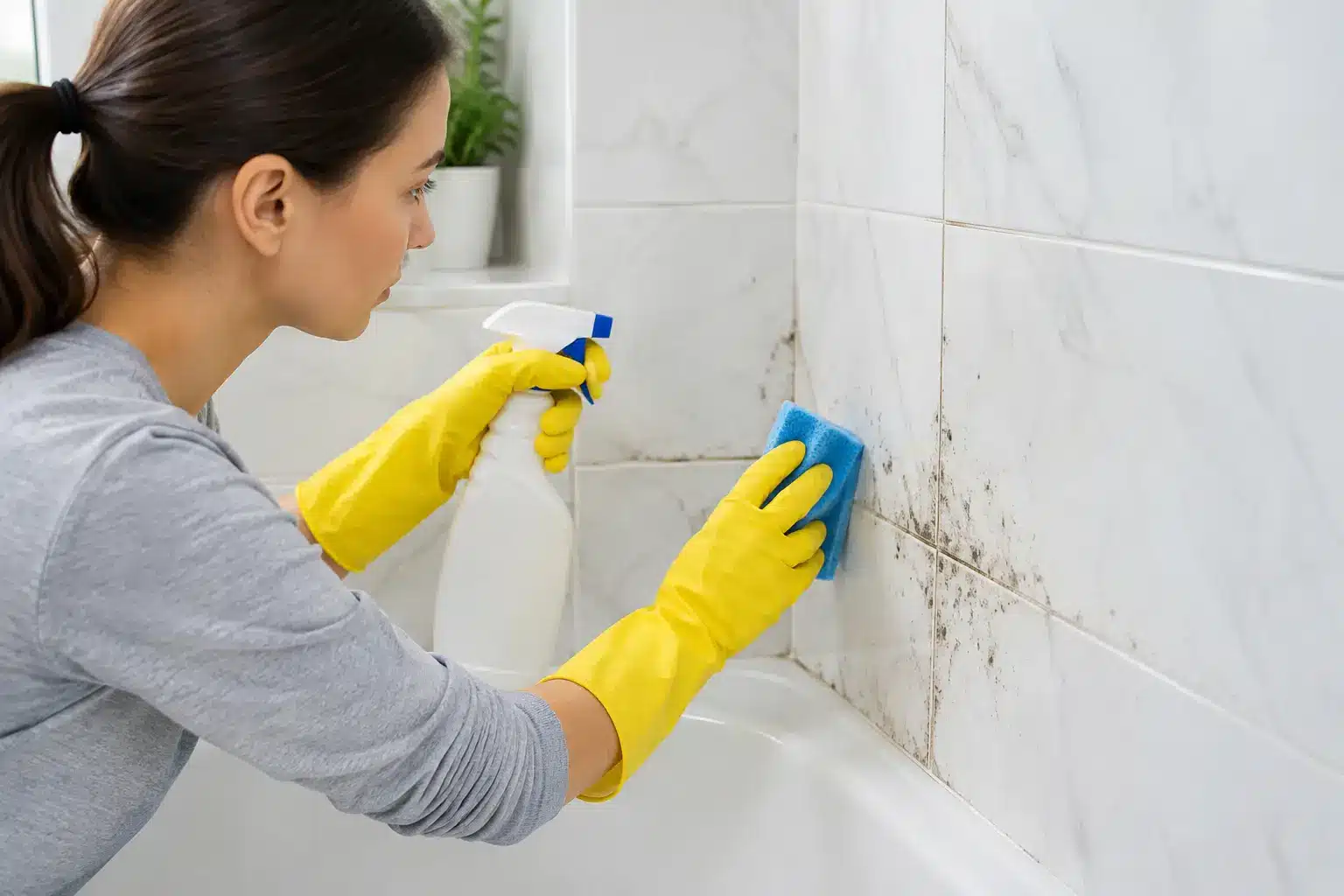
Find the best bathroom cleaner for mould for tiles, grout and silicone. Choose the right formula, use it safely and prevent costly return growth promptly.
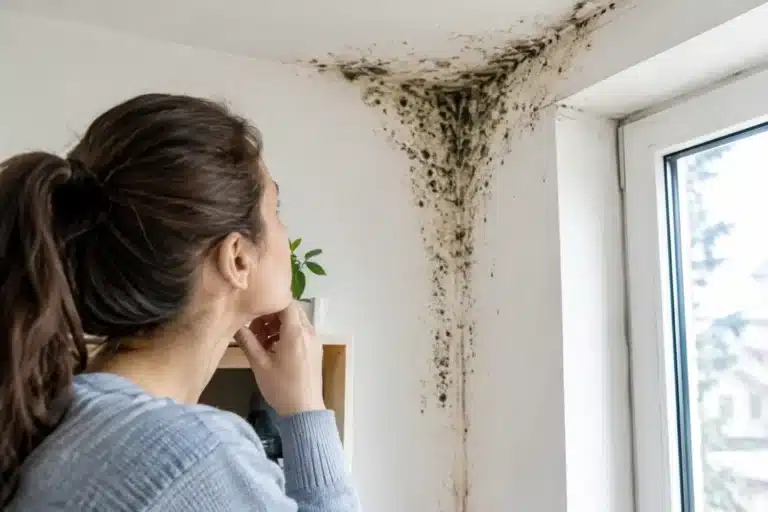
Black spotting around a shower seal can turn a clean washroom into a complaint within days. In busy bathrooms, mould is not simply a cosmetic issue. It affects the impression of hygiene, can damage sealants and finishes, and creates repeat work for teams already managing tight schedules. The best bathroom cleaner for mould is the one that matches the surface, the scale of growth and the way the room is used.
A product that performs well on glazed tiles may not be suitable for natural stone, coloured grout or painted surfaces. Equally, a strong mould treatment will not solve a ventilation problem on its own. Good results come from choosing the correct formulation, allowing it to work for the recommended contact time, then dealing with the moisture that allowed mould to establish.
For established mould, a dedicated mould and mildew remover is usually more effective than a general bathroom spray. General cleaners remove soap residue, body oils and limescale, all of which can make a bathroom look dull and unclean. They may lift light surface marks, but they are not always designed to treat fungal growth embedded in porous grout or around silicone seals.
A purpose made mould cleaner typically uses an active ingredient that breaks down visible staining and treats surface growth. Chlorine based formulations are common because they can deliver a noticeable whitening effect on white grout, ceramic, porcelain and silicone. This can be valuable in hotel bathrooms, leisure facilities and tenanted properties where appearance matters as much as day to day hygiene.
However, stronger is not automatically better. The right product must be safe for the surface and manageable for the person applying it. A cleaner that causes discolouration, damages a finish or produces excessive fumes for a small enclosed room creates a new operational problem. Always follow the label directions and test an inconspicuous area where there is any doubt.
Ceramic and porcelain tiles are generally the simplest surfaces to treat. A professional mould cleaner can be applied directly to affected areas, left for the stated dwell time and rinsed or wiped away as instructed. Regular cleaning afterwards prevents soap film from building up and gives spores fewer places to settle.
Grout needs more care. Cement based grout is porous, particularly if it has not been sealed or has worn over time. A mould remover may improve the appearance significantly, but deep staining can remain where moisture has penetrated below the surface. In that situation, repeated aggressive treatment is unlikely to provide a permanent answer. The grout may need resealing or replacing once it is fully dry.
Silicone is the most common trouble spot around baths, shower trays and screens. If black marks are limited to the surface, a suitable mould cleaner can often restore the seal. If the mould is growing behind, within or beneath the silicone, cleaning will only improve the visible side temporarily. The practical solution is to remove and renew the sealant after the area has dried properly.
Natural stone, marble, limestone and some decorative tiles require a different approach. Acidic bathroom products can etch stone, while chlorine based products may affect colour or finish. Check the manufacturer guidance for both the surface and the cleaner before use. This is particularly relevant in higher specification hospitality bathrooms, where an incorrect product choice can result in avoidable replacement costs.
The format affects how efficiently a team can work. A spray is useful for broad tiled walls and shower screens, but overspray can be an issue in compact bathrooms. It should be applied with good ventilation and without directing mist towards the face.
Foaming formulas cling better to vertical tiles and grout lines, giving the active ingredients more time to work before running away. They can reduce product waste on wall areas and are often a sensible choice for routine housekeeping tasks.
Gels are especially useful around silicone, grout joints and awkward edges because they stay in place. They are not always the quickest option for covering a full shower enclosure, but their control makes them effective for focused treatment work.
Start by opening windows where possible and using extractor ventilation. Wear suitable gloves and avoid breathing spray mist. For heavier contamination or poorly ventilated bathrooms, appropriate eye protection is sensible. Cleaning staff should have clear product information and access to the right PPE, rather than being expected to improvise.
Remove loose items from the work area, then apply the cleaner only to the affected surface. Leave it for the contact time specified on the label. This point matters: wiping a mould treatment away immediately can reduce its effectiveness and lead to unnecessary repeat applications.
After the required time, wipe or rinse thoroughly as directed. Use a dedicated cloth or disposable wipe for the task and clean any application tools before they are returned to general use. Drying the area is not an optional finishing step. Moisture left around joints, corners and seals gives mould an opportunity to return.
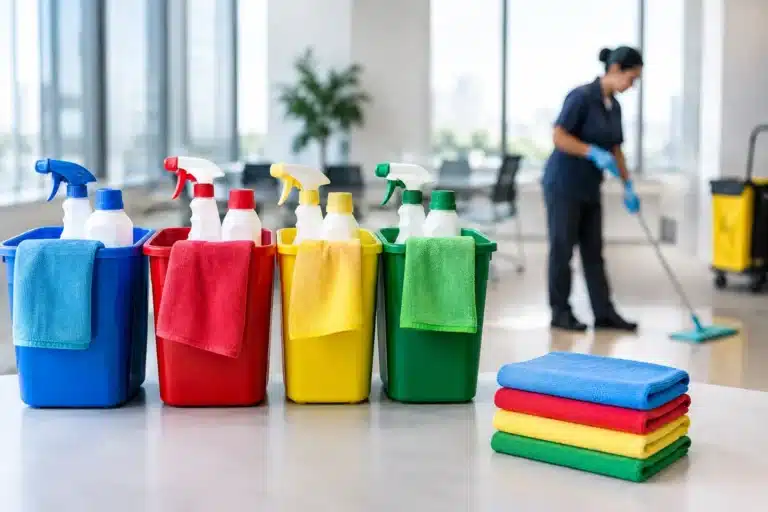
Never mix mould cleaner with other chemicals. In particular, chlorine based products must not be mixed with acids, descalers, toilet cleaners or ammonia containing products. Mixing cleaning chemicals can create harmful fumes. A clear colour coded system, labelled spray bottles and staff training reduce that risk in commercial settings.
Bathrooms provide three things mould needs: moisture, warmth and organic residue. A good cleaner addresses the visible growth, but the recurring cause is usually condensation, poor air extraction, a leaking fitting, or damp materials that never dry fully.
In hotels and serviced accommodation, checking the extractor fan between stays can prevent a small issue becoming a maintenance callout. In offices, gyms and public washrooms, a cleaning schedule should include drying shower areas, inspecting sealants and reporting persistent damp patches. In homes, keeping the bathroom door closed during showers and running the extractor for long enough afterwards can make a meaningful difference.
Limescale and soap residue also hold moisture on surfaces. A planned routine that alternates regular bathroom cleaning with targeted mould treatment is more efficient than waiting for visible black marks to spread. This protects appearance, reduces labour time and helps facilities maintain consistent standards across multiple washrooms.
For a single domestic bathroom, a ready to use mould cleaner may be the most convenient choice. The priority is controlled application, clear instructions and compatibility with common bathroom surfaces. Buy only the amount that can be stored safely and used within the product guidance.
For facilities teams, contract cleaners and hospitality operators, purchasing decisions also need to account for consistency of supply, cost per use, staff training and storage requirements. A product that works reliably across standard ceramic tiles, grout and silicone can simplify cleaning procedures, provided teams still know when to escalate damaged grout, failed sealant or leaks to maintenance.
KleanPro Supplies supports this practical approach with professional cleaning products selected for dependable results and day to day operational use. The most effective cleaning system is not built around one bottle alone. It combines suitable chemistry, correct application, safe working practices and a reliable replenishment plan.
If mould returns within a short time, appears through silicone, or is accompanied by peeling paint, soft plaster or a persistent damp smell, investigate the source before applying more product. There may be a hidden leak, failed waterproofing, inadequate extraction or water ingress from an adjacent room. Repeated cleaning can mask a building issue without resolving it.
For routine surface mould, choose a cleaner that is appropriate for the material, give it time to work and leave the bathroom dry afterwards. That simple discipline keeps washrooms looking cared for and helps prevent a minor cleaning task becoming a larger maintenance problem.