
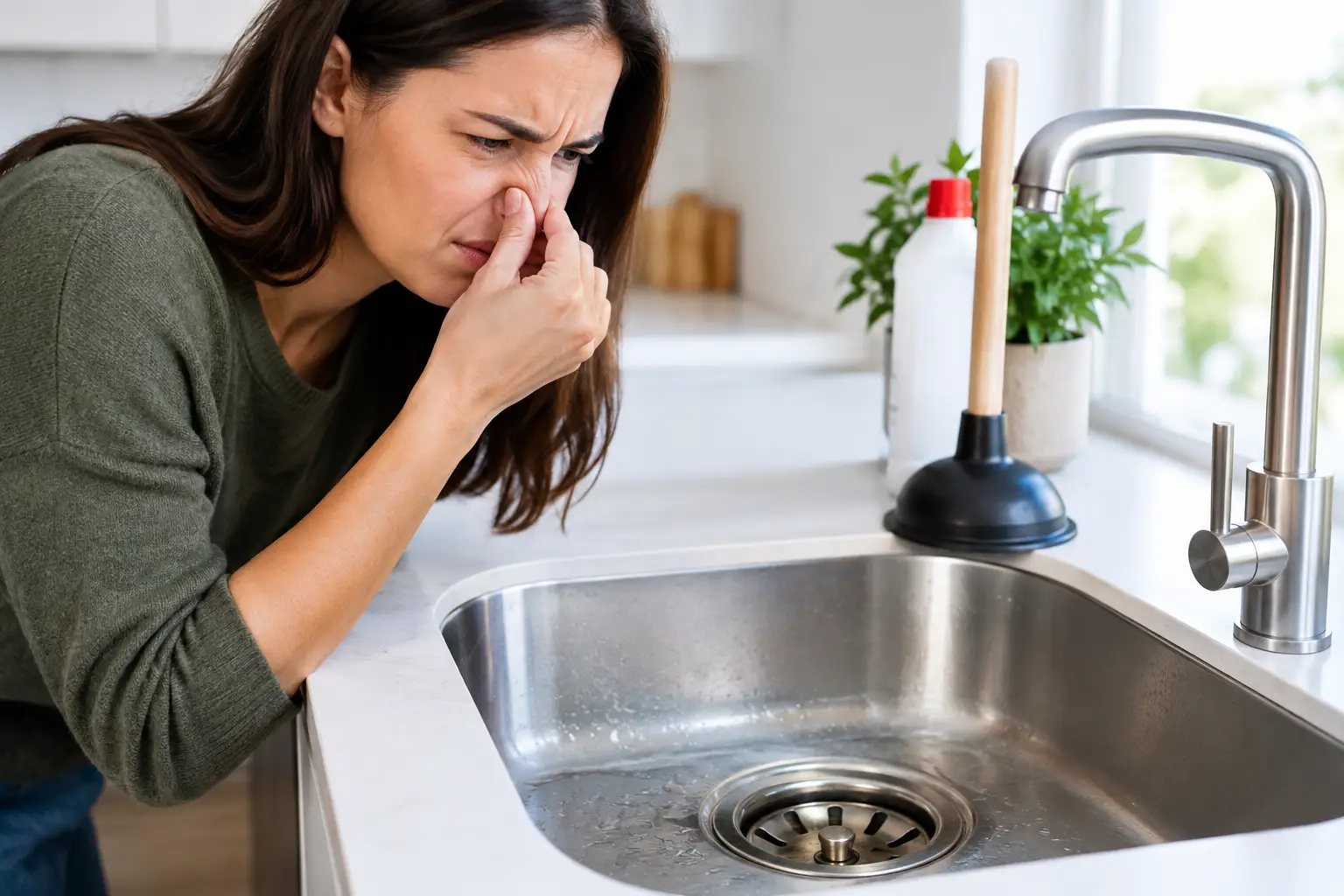

A drain can look clean, empty quickly and still release an unpleasant smell into a kitchen, washroom or utility area. Why do drains smell? Usually, the odour is a sign that waste, bacteria or sewer gases are not being properly contained or flushed away. In a busy commercial setting, it can quickly affect customer confidence, staff comfort and the perception of hygiene.
The right response depends on where the smell is coming from and how often it returns. A surface clean may improve the problem for a day, but recurring odours usually need a more thorough approach. Understanding the cause helps cleaning teams choose the safest, most effective treatment and know when a drainage professional is needed.
Why do drains smell in commercial and domestic settings?
Drains are designed to move wastewater away while preventing sewer gases from entering the building. When that system is disrupted, organic matter can settle in pipework and begin to break down. The result is often a sour, musty, rotten food or sewage like smell.
Commercial kitchens are particularly vulnerable because fats, oils, food particles and detergent residues enter sinks throughout the day. Even where staff scrape plates and use sink strainers, small amounts of waste build up inside the waste pipe. In hospitality, the problem can be made worse by periods of lower occupancy, when less water passes through floor drains and washroom basins.
At home, bathroom basins, shower trays and kitchen sinks develop similar issues, although hair, soap residue and toothpaste are often the main contributors. The source may be close to the plughole, further down the pipework or within the trap beneath the appliance.
Organic build up and biofilm
The most common cause of drain odour is biofilm. This is a thin, sticky layer of bacteria and organic residue that clings to the inside of pipes, traps and plugholes. It feeds on food debris, grease, skin cells, soap deposits and other waste carried through the drain.
Biofilm is difficult to remove with water alone. Pouring boiling water into a drain may shift some loose residue, but it rarely removes the layer attached to the pipe. In fact, repeatedly using very hot water may not be suitable for every plastic pipe or fitting. A suitable professional grade drain cleaner, used in line with its label instructions, is designed to break down the residues that create persistent odours.
A dry trap allowing sewer gases through
Most sinks, basins, showers and floor drains have a U shaped trap that holds a small amount of water. This water seal blocks gases from the drainage system. If a fitting is used infrequently, the water can evaporate and leave an open route for unpleasant odours.
This is common in unused washrooms, cleaner’s cupboards, vacant properties, seasonal accommodation and floor drains in storage areas. Run water into the fitting for a short time to restore the seal. Where evaporation is a regular issue, include these outlets in the routine cleaning and inspection schedule rather than waiting for a complaint.
Food waste, fat and grease in kitchen drains
A kitchen drain can smell particularly strong when grease and food deposits have built up. Fat may seem liquid when hot, but it cools and sticks to the pipework, trapping other debris as it does. Coffee grounds, rice, flour, sauces and small food particles all add to the blockage risk.
The smell may become more noticeable after a busy service or when hot water is run, as the warmth releases odours from the deposits. This is not just a housekeeping issue. Poorly maintained drainage can attract pests, slow down sink drainage and create unnecessary disruption during food preparation.
Good practice starts before cleaning products are used. Food waste should be removed into the correct waste stream, and kitchen teams should never use the sink as a disposal point for cooking oil or leftover food. Grease management arrangements must also suit the volume and type of food operation.
How to remove drain smells safely
Start by checking whether the drain is draining freely. A slow running sink, gurgling sound or water sitting around the plughole suggests a partial obstruction rather than a simple odour issue. Remove visible debris from the plughole and strainer, using gloves and suitable cleaning equipment. Hair, food scraps and trapped packaging should be disposed of safely, not pushed further into the pipe.
Next, clean the plughole, overflow opening and surrounding surfaces. These areas are often missed during routine cleaning but can hold a surprising amount of residue. Apply the appropriate drain maintenance product according to the stated dilution, contact time and safety guidance. Allowing a product enough time to work is usually more effective than using extra product or repeating applications too quickly.
Never mix drain cleaners with bleach, acids, descalers or other chemicals. Mixing products can produce harmful fumes or cause a dangerous reaction. Staff should wear the PPE specified on the product label, ensure the area is well ventilated and keep products away from food, children and unauthorised users.
After treatment, flush the drain as directed. If the smell remains but water is flowing normally, repeat cleaning only where the product instructions allow it. If the odour is accompanied by a blockage, leak or sewage backup, stop using the outlet and arrange professional assessment.
Preventing drain odours as part of routine cleaning
Drain maintenance works best as a planned task rather than an emergency response. In commercial kitchens, daily removal of food debris and regular treatment of sink waste pipes can reduce the build up that causes smells. The frequency should reflect the workload. A high use restaurant sink needs more attention than a staff kitchen used for tea rounds.
Washrooms need a slightly different approach. Cleaners should check that basin, shower and floor drain traps contain water, especially after weekends, shutdowns or periods of low building use. Plughole covers and grilles should be cleaned as part of the washroom routine because residue around these fittings can produce odours even when the pipework is clear.
For facilities managers, it helps to record recurring drain issues by location and time. If the same drain smells after every busy period, the cause may be poor waste handling, insufficient cleaning frequency or an underlying plumbing fault. A simple record turns an occasional complaint into useful operational evidence.
KleanPro Supplies supports cleaning teams with professional cleaning essentials suited to demanding kitchen, washroom and housekeeping routines. Product selection should always match the surface, drainage system and task, with instructions followed carefully to protect people, pipework and surrounding finishes.
When a drain smell needs a plumber
Cleaning products can deal with normal organic build up, but they cannot correct damaged pipes, failed seals or external drainage problems. A plumber or drainage contractor should investigate if there is a persistent sewage smell, repeated blockage, water backing up into another fitting, dampness around pipework or a smell that returns immediately after cleaning.
Outdoor drains can also affect indoor spaces. Blocked gullies, damaged drain covers or drainage defects near an entrance may release odours that travel into a building. In older properties, faults in vent pipes or pipe connections can be harder to identify and may require specialist testing.
A strong smelling drain is rarely something to ignore, particularly in areas used by customers, patients, guests or food handling teams. Prompt cleaning and sensible prevention protect the standards people notice, while early investigation prevents a small odour issue from becoming a costly operational problem.