
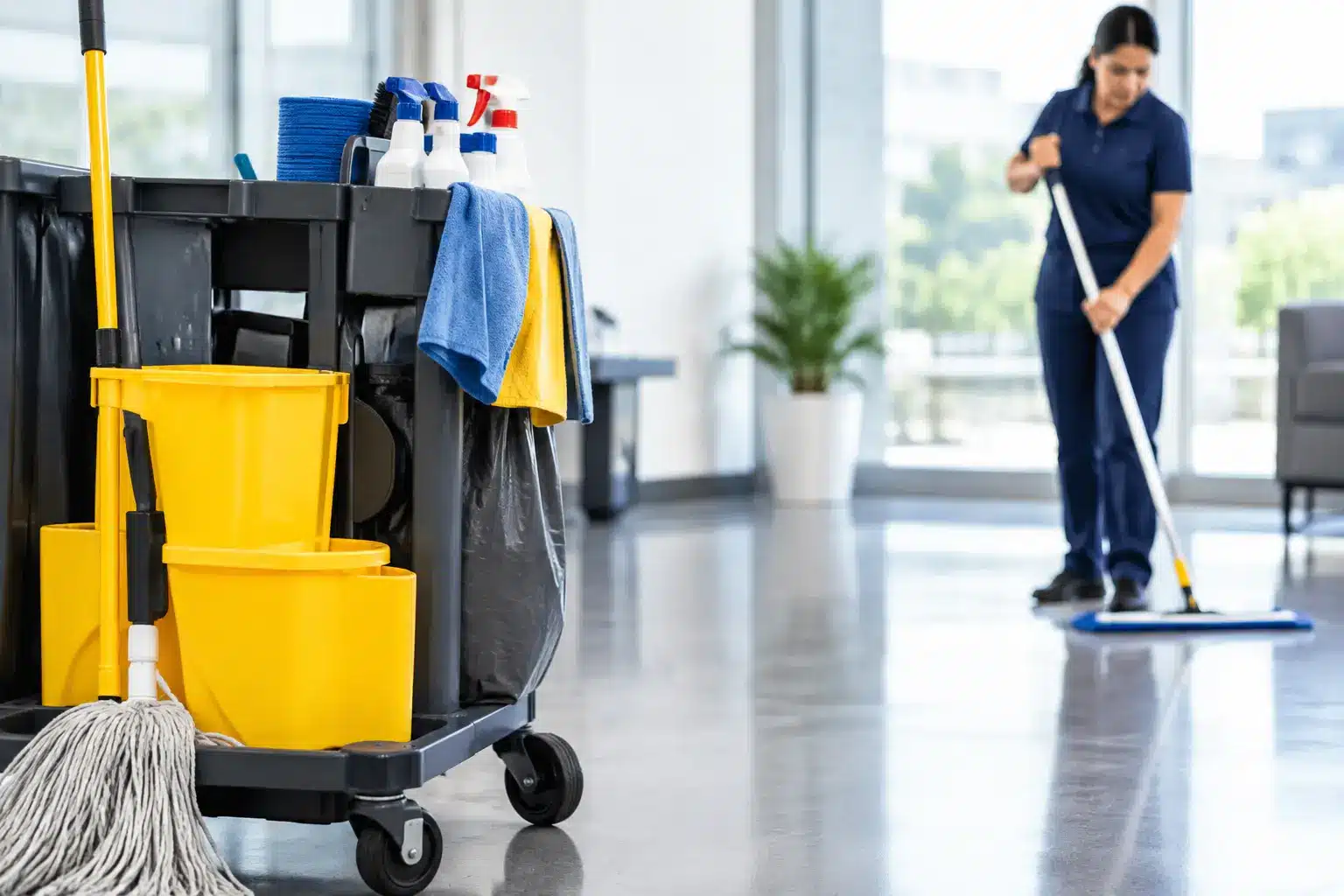

A washroom running out of hand towels during a busy service, a kitchen team searching for degreaser, or a cleaner using the wrong product on a sensitive surface can quickly become more than a minor inconvenience. The right janitorial trade supplies keep cleaning routines moving, protect standards and give teams the confidence that the products they need will be available when they need them.
For facilities managers, hospitality operators and contract cleaning teams, buying supplies is not simply about filling a cupboard. It is about choosing products that perform consistently, suit the environment and make daily tasks easier to complete properly. The best supply arrangement supports hygiene, staff efficiency, cost control and a professional finish across every area of the premises.
What reliable janitorial trade supplies should deliver
Professional cleaning depends on consistency. A product that works well one week but is unavailable the next creates unnecessary disruption, especially where teams follow set cleaning schedules or food safety procedures. Reliable supply means having the right core products on hand, in suitable pack sizes, with clear guidance for safe and effective use.
A well planned range usually covers routine surface cleaning, washroom care, floor maintenance, laundry, kitchen hygiene, glass cleaning and waste handling. Equipment, paper products, PPE and workwear matter just as much. A powerful cleaner cannot deliver the expected result if staff have no suitable cloths, dispensers, gloves or mop system to use alongside it.
Performance should be judged in the real setting, not only on a label. A front of house team may need a fast drying glass cleaner that leaves no smears under bright lighting. A commercial kitchen needs a degreaser capable of dealing with baked on residue without damaging food preparation surfaces. Housekeeping teams need dependable products that help them turn rooms around efficiently while maintaining a clean, fresh presentation.
Match the product to the task and surface
Using one general cleaner for every job may seem economical, but it often leads to wasted product, extra labour and disappointing results. Different soils respond to different formulations. Grease, limescale, soap residue, food spills and organic marks all need an appropriate approach.
For routine cleaning in offices, schools and retail premises, a professional all purpose cleaner can handle frequent wipe downs of desks, counters, doors and shared touchpoints. The priority is a product that is practical for repeated use, leaves surfaces presentable and is suitable for the materials being cleaned.
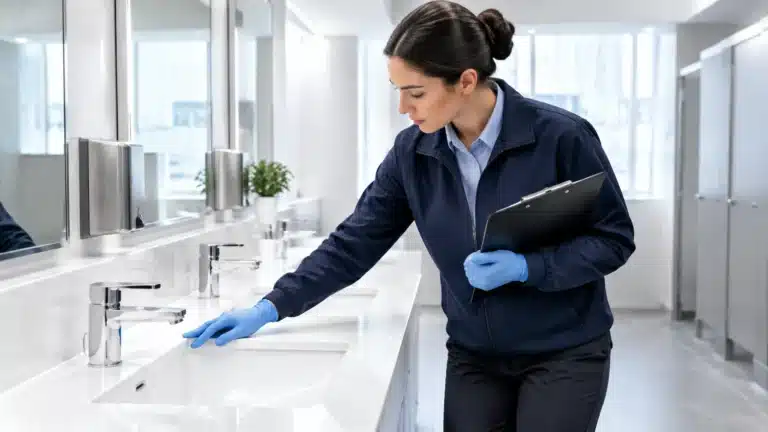
Washrooms call for a more targeted selection. Toilet cleaner, descaler, hand soap, paper consumables and odour control products all contribute to the user experience. Limescale is particularly persistent in hard water areas, so a product chosen for regular descaling can prevent fittings and tiles from looking neglected. It can also reduce the effort required during deep cleaning.
Commercial kitchens require extra care because cleaning products sit alongside food safety procedures. Degreasers should be selected for the surfaces and equipment in use, with teams following dilution and contact time instructions. Dishwashing products and dishwasher care products also need to work together. Poor wash results can create delays during service, increase rewashing and leave glassware or crockery looking dull.
For hospitality, care homes and domestic customers with demanding cleaning needs, laundry products deserve the same attention. Correct dosing, suitable fabric care and dependable stain removal help keep linen, towels and workwear looking clean and serviceable for longer.
Surface safety is part of cleaning performance
The strongest product is not always the best choice. Highly alkaline products may be appropriate for heavy grease, but they may not be suitable for every painted, polished or delicate surface. Acidic descalers can be effective in washrooms, yet need careful use around natural stone and certain metals.
Clear labelling, staff training and a sensible colour coded cleaning system reduce the risk of damage and cross contamination. It also helps teams work more quickly because they are not stopping to guess which product or cloth belongs in a particular area. When a cleaning programme is easy to follow, standards are easier to maintain.
Control spend without lowering standards
Trade purchasing should provide value over the full cleaning cycle, not simply the lowest unit price. A cheaper product that requires more frequent application, higher doses or repeated wiping can cost more in labour and consumption than a professional grade alternative.
Concentrated products can offer good value where staff are trained to dilute them correctly and suitable dosing equipment is available. They reduce the volume of packaging and storage space required, which can be useful for larger sites. Ready to use products are often the better choice for quick response cleaning, smaller workplaces or teams that need simple, consistent application.
Pack size depends on usage. Bulk ordering can lower the cost per unit and reduce the risk of stock gaps, but only when there is enough storage and a realistic rate of use. Overstocking products with a limited shelf life or buying bulky items that cannot be stored safely creates a different problem. A supplier that understands recurring demand can help businesses find the right balance between availability and cash tied up in stock.
It is useful to review consumption by area rather than ordering on habit. If one washroom uses far more paper towels than another, investigate whether footfall has changed, a dispenser is releasing too much paper, or stock is being used elsewhere. Small checks like these can reduce waste without compromising hygiene.
Build a practical stock system
Cleaning cupboards often become disorganised because they are treated as storage spaces rather than operational workstations. A simple system makes it easier to see what is running low, prevents unsuitable substitutions and supports safer handling.
Keep everyday products accessible and store chemical products according to their instructions. Separate cleaning chemicals from food, keep containers clearly labelled and ensure safety data is available to relevant staff. First in, first out rotation helps avoid forgotten stock sitting at the back of a shelf while newer deliveries are used first.
For larger sites, set minimum stock levels for critical items such as hand soap, toilet rolls, bin liners, disinfectant, gloves and kitchen degreaser. The level should reflect delivery lead times, site size and the impact of running out. A restaurant may need additional contingency stock before a busy weekend, while a small office may prefer more frequent, lower volume orders.
Standardising core products across several locations can make ordering and training simpler. It gives teams familiar products and helps managers compare usage more accurately. However, standardisation should not ignore site needs. A care setting, a pub kitchen and a serviced accommodation business each face different cleaning pressures and may require specialist products alongside the main range.
Equipment, paper and PPE deserve equal attention
A professional cleaning result relies on more than chemical choice. Worn mop heads, poor quality cloths and inefficient dispensers can slow teams down and undermine hygiene efforts. Good equipment should be durable, easy to clean and appropriate for the space.
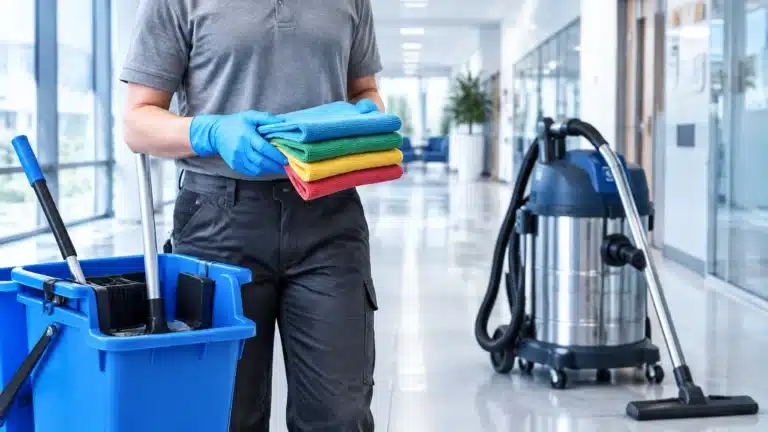
Microfibre cloths can be highly effective for routine surface cleaning when they are used correctly, washed properly and assigned by area. Colour coding supports this process by helping prevent a cloth used in a washroom from being used on a desk or food service counter. Mop systems should be selected around the floor type, site layout and the volume of cleaning required.
PPE is equally practical. Gloves need to offer suitable protection while allowing staff to work comfortably and safely. Aprons, protective clothing and eye protection may be needed for particular tasks or products. Supplying the correct PPE is part of protecting staff, but it also reinforces good working practices across the team.
Paper products influence both customer perception and operating costs. Towels that dispense reliably, toilet tissue that is appropriate for the facility and dispensers that are easy to refill all contribute to a better experience. In high traffic locations, running out is immediately visible. Consistent stock is one of the simplest ways to avoid an avoidable complaint.
Choose a supplier that supports the job
A cleaning supply partner should understand that a missed delivery or an unsuitable product recommendation can affect day to day operations. Dependable availability, clear product information and responsive support are especially valuable for organisations with recurring requirements.
KleanPro Supplies supports commercial customers and household buyers with professional cleaning products, equipment, paper essentials, workwear and PPE. The Mistolin Pro range is particularly suited to demanding cleaning tasks where reliable performance and surface appropriate solutions matter. For businesses buying at volume, trade pricing and a planned ordering approach can make routine purchasing more predictable.
Before changing products, assess the area being cleaned, the soil being removed, the surface involved and the time staff have available. Test new products carefully, gather feedback from the people using them and make sure instructions are understood. The most effective janitorial trade supplies are the ones that fit naturally into the way your team works, helping every shift leave a safer, cleaner and more presentable space behind.