Newsletter Subscribe
Subscribe for news, offers and a welcome 5% discount on us.
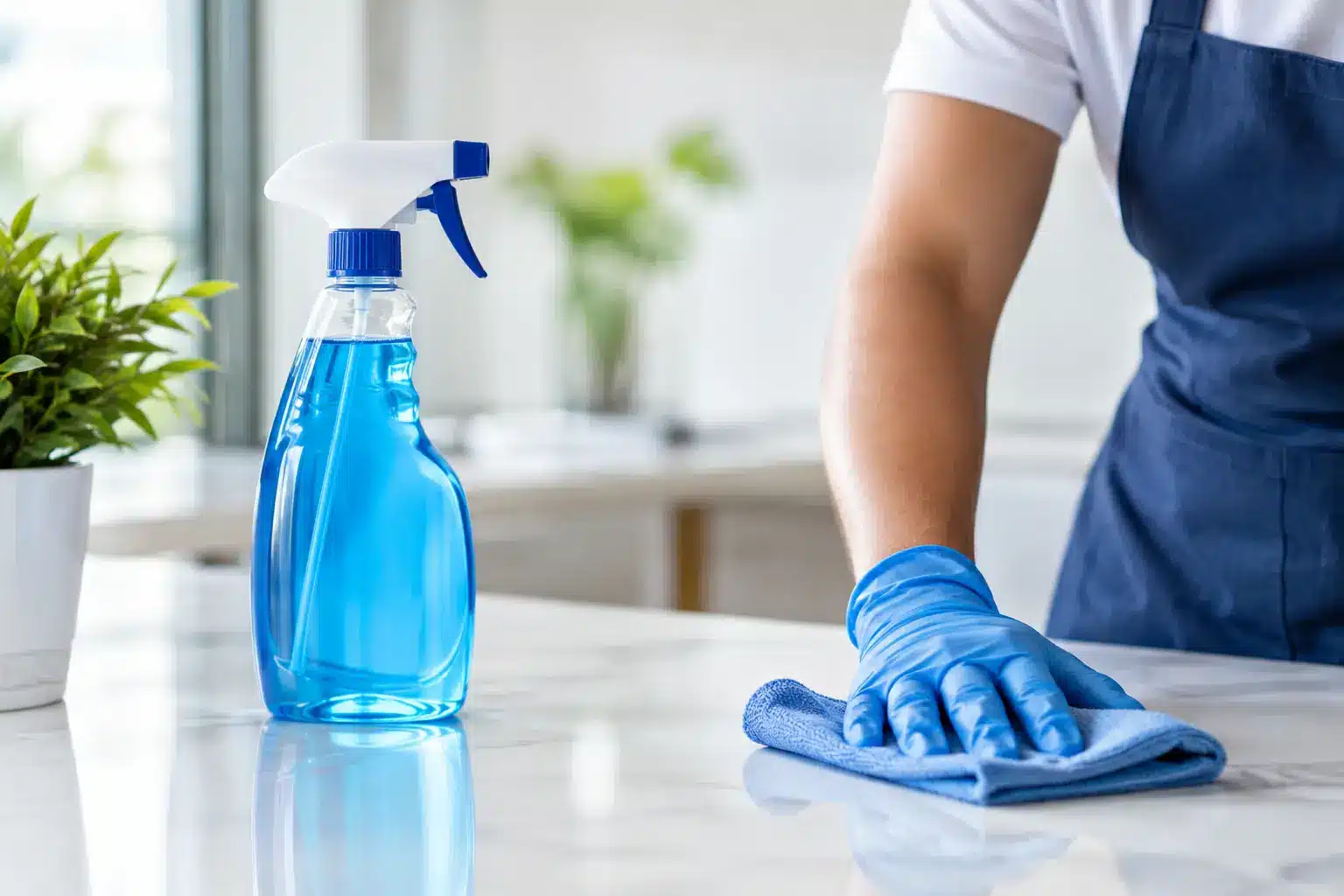
Mistolin Pro supports professional cleaning in kitchens, washrooms and workplaces, helping teams maintain hygiene, safety and consistent results daily.
A busy kitchen does not have time for a degreaser that needs repeated applications. A hotel housekeeping team cannot risk dull glass, lingering washroom odours or laundry products that fail on heavily used linens. Mistolin Pro is designed for these everyday pressures, giving professional users and demanding households access to cleaning products made for clear, dependable results.
The right product does more than improve appearance. It helps teams work efficiently, supports hygiene routines and protects the surfaces, equipment and textiles that cost money to replace. For facilities managers, caterers, cleaners and business owners, that consistency is what turns a cleaning cupboard into a reliable operating system.
Cleaning standards are judged quickly in commercial settings. Guests notice fingerprints on glass and marks in washrooms. Food businesses must keep preparation areas visibly clean as well as hygienic. Office teams need shared spaces to feel cared for, while cleaning contractors need products that perform across different sites without creating unnecessary complexity for staff.
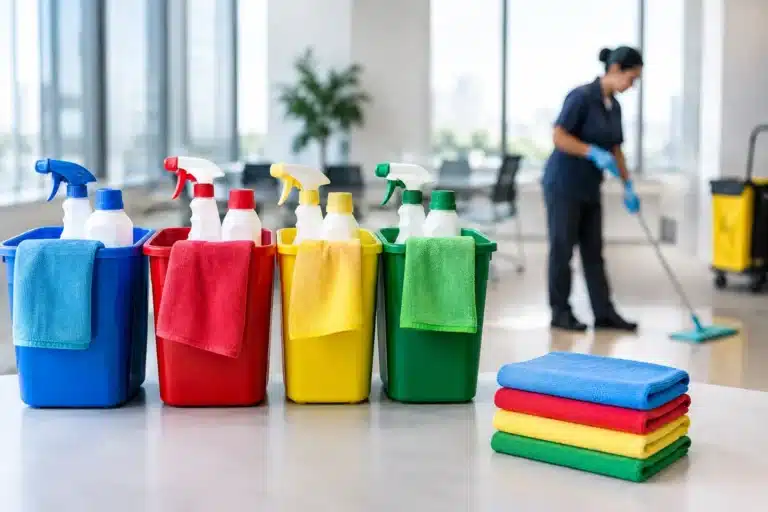
Mistolin Pro offers a practical range for the tasks that create the most pressure: all purpose cleaning, degreasing, dishwashing, dishwasher care, drain maintenance, washroom hygiene, laundry care and glass cleaning. Using task appropriate products helps avoid a common and costly problem: asking one general cleaner to handle every surface, soil type and hygiene requirement.
A strong degreaser may be needed where fats and baked on residue build up. A glass cleaner should leave a clean finish without smears. Laundry care requires products that work with the fabric, wash cycle and level of soiling. Selecting by application can reduce repeat cleaning, product waste and avoidable damage.
Commercial kitchens place particularly high demands on cleaning products. Grease settles on extraction hoods, splashbacks, tiles and equipment surrounds. Food residue can dry onto preparation surfaces. Dishwashing areas face constant moisture, scale and build up that can affect both presentation and machine performance.
For kitchen teams, product choice should be tied to a written cleaning routine. A suitable degreaser can be used where grease is the main challenge, while a food area appropriate cleaner should be selected and used in line with the product instructions for preparation surfaces. Staff should understand contact times, dilution requirements where applicable, rinsing needs and the difference between cleaning and disinfection.
That distinction matters. Cleaning removes visible dirt and grease. Disinfection is a separate process where required, and it only works properly on a surface that has first been cleaned. Trying to rush both stages with the wrong product or method can leave teams with an area that looks acceptable but does not meet the standard expected for the task.
Dishwasher care also deserves planned attention. Machines that are used throughout service can develop scale, residue and odours over time. A routine for cleaning and maintaining the machine supports better wash results and can help staff spot issues before crockery and glassware start leaving the pass with visible marks.
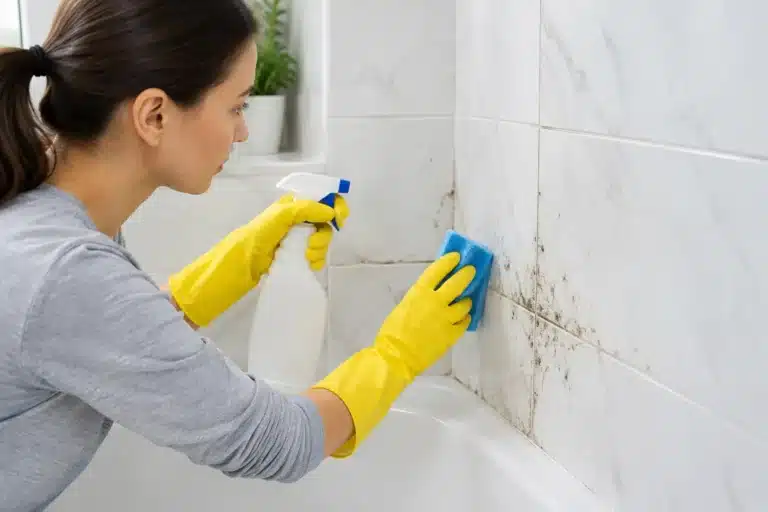
Washrooms are one of the clearest signals of how well a building is managed. In hospitality, retail, offices and healthcare environments, visitors often use the condition of the washroom to judge the wider premises. A clean appearance is essential, but it must be supported by practical hygiene controls and regular checks.
Mistolin Pro products for washroom care can support teams dealing with soap residue, water marks, daily soil and odours. The best approach is usually a clear sequence: remove litter, clean touchpoints and surfaces, treat fittings and sanitaryware with the appropriate product, then dry or finish areas where needed. Replenishing paper products and checking dispensers at the same time prevents a clean washroom from becoming an avoidable service failure an hour later.
For high traffic sites, frequency matters as much as product performance. A washroom checked once at the start of the day may not remain presentable through lunch, events or peak visitor periods. Managers should set inspection times that reflect actual footfall, not a generic timetable copied from another building.
Streaks on entrance glass and marks on mirrors are small details that customers notice immediately. They can also be frustrating for staff when the cleaner is unsuitable, cloths are contaminated or too much product is applied. A proper glass cleaning routine uses a suitable product, clean cloths or paper and a consistent method, changing materials before they begin to spread residue.
For desks, counters, doors and shared touchpoints, surface compatibility is equally important. Not every product is suitable for every finish. Painted surfaces, natural stone, screens, polished metals and specialist flooring can all react differently to strong chemicals or excessive moisture. Product labels and technical guidance should always take priority, particularly where a manufacturer specifies approved cleaning methods.
This is where professional cleaning is as much about control as cleaning power. Staff need the right product, correct dilution where relevant, labelled bottles, suitable cloths and enough time to complete the task properly. Providing those basics protects surfaces and produces more consistent outcomes than simply increasing chemical strength.
Back of house standards often depend on the tasks customers never see. Towels, bedding, workwear and cleaning cloths need a dependable laundry process that reflects fabric type, soil level and the required hygiene standard. Using a suitable laundry product and following the recommended dosage can help avoid poor wash results, unnecessary rewash cycles and excessive product use.
Drains are another overlooked area until a blockage or odour disrupts service. Regular preventative care is usually easier to manage than an emergency callout during a busy shift. However, drain products must be used exactly as directed. Never mix chemicals, and never assume a stronger dose will deliver a better result. Different formulations can react dangerously when combined, while incorrect use may damage pipework or create hazards for staff.
Store all cleaning products securely, keep containers clearly labelled and make sure safety information is available to everyone who uses them. Gloves, eye protection and other PPE should be chosen according to the task and the instructions on the product label. These controls are straightforward, but they are central to safe and professional cleaning practice.
The most effective cleaning system can still fail when stock runs out midweek or when teams substitute products without checking suitability. Businesses with recurring requirements benefit from setting minimum stock levels for essential categories, particularly kitchen degreasers, washroom products, dishwashing supplies, laundry care and paper consumables.
Ordering in sensible volumes can improve cost control and reduce the disruption of frequent emergency purchases. The right quantity depends on site size, occupancy, cleaning frequency, storage space and seasonal demand. A small office may need compact, regular orders, while a hotel or contract cleaning business may require bulk supply to keep multiple teams ready.
KleanPro Supplies supports customers looking for professional grade Mistolin Pro products alongside the wider essentials that keep cleaning operations moving. For trade buyers, a consistent supply partner can make procurement simpler and help standardise products across sites. For households, the same professional approach offers a practical option for demanding kitchen, bathroom, laundry and glass cleaning tasks.
The strongest results come from matching the product to the job, training staff to use it correctly and keeping the right supplies available before they are needed. That is how cleaning remains dependable even when the day is anything but routine.