Newsletter Subscribe
Subscribe for news, offers and a welcome 5% discount on us.

Compare degreaser versus cleaner for kitchens, washrooms and workplaces. Choose the right formula for safer surfaces, better hygiene and less waste.
A fryer canopy can look clean after a quick wipe yet still hold a film of baked on oil that attracts fresh soil within hours. That is where the choice between degreaser versus cleaner affects more than appearances. Using the wrong product can slow the team down, leave residues behind or, in the worst cases, damage a sensitive surface.
For facilities teams, kitchen managers and household buyers, the answer is not that one product is better than the other. A cleaner and a degreaser have different jobs. Knowing when to use each helps protect surfaces, control chemical use and achieve consistent, high quality results.
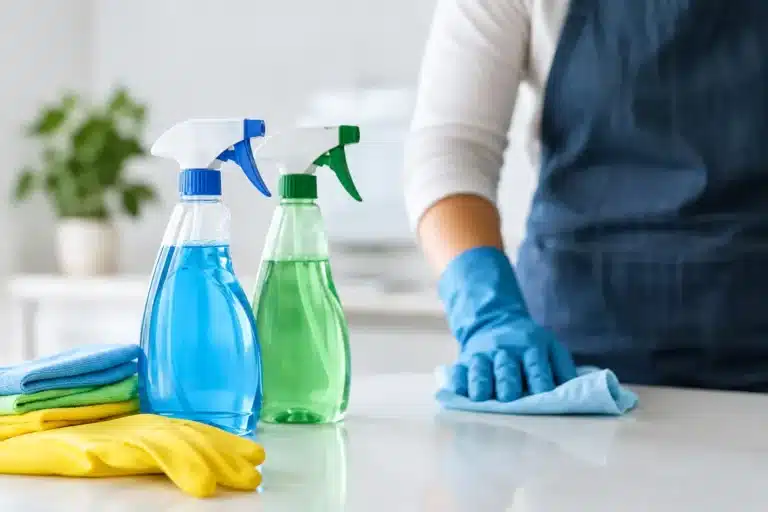
A general cleaner is designed to lift everyday dirt, dust, light marks and water based spills from a surface. It may contain surfactants that loosen soil so it can be wiped or rinsed away. All purpose cleaners are useful across offices, washrooms, reception areas, tables, doors and many hard surfaces where grease is not the main issue.
A degreaser is formulated to break down oils, fats and greasy deposits. These soils can be fresh and visible, such as cooking oil on a hob, or older and more difficult, such as polymerised grease on oven doors, extraction equipment or kitchen flooring. Water alone does not remove oil effectively. A professional degreaser changes the way the grease clings to the surface, allowing it to be lifted away during wiping, scrubbing or rinsing.
This distinction matters because a general cleaner may make a greasy area look better without fully removing the film. On the other hand, applying a strong degreaser to every desk, mirror or painted wall is unnecessary and may not be suitable for the material or finish.
Use a cleaner for routine cleaning where the main concern is general soil rather than heavy fat or oil. In an office, this could mean fingerprints on doors, marks on desks, dust on ledges and drink spills in communal areas. In hospitality, it could include bedroom furniture, reception counters and dining tables between sittings.
The right cleaner supports a regular schedule because it is efficient across multiple compatible surfaces. It leaves areas presentable without requiring intensive dwell times or repeated rinsing. For housekeeping teams working through a large number of rooms, that consistency makes a genuine difference to productivity.
A cleaner can also be the better option for lightly soiled floors and washroom touchpoints. In these areas, follow the product instructions and your site cleaning plan. If disinfection is required, use a product approved and applied for that purpose. Cleaning removes soil, but it does not automatically mean a surface has been disinfected.
A degreaser earns its place where oils and fats build up through cooking, food preparation, machinery use or repeated handling. Commercial kitchens are the clearest example. Cookers, splashbacks, griddles, fryer surrounds, extraction covers and greasy floor edges need a formulation that can cut through the deposit rather than merely spread it around.
It is also valuable in staff kitchens, bakeries, food production areas, garages and maintenance spaces. Door plates near cooking lines, bin surrounds and tiled walls can all develop greasy films that ordinary cleaning struggles to shift. At home, a professional grade degreaser can make short work of cooker hoods, oven exteriors and stubborn kitchen cabinet marks when used correctly.
The level of soiling determines the method. Fresh grease may need a diluted solution and a clean cloth. Heavier deposits often need the correct dilution, a suitable dwell time and mechanical action with a non abrasive pad or brush. Leaving a product on for longer than directed is not a substitute for following the instructions. It can increase the risk of surface damage and wastes time.
The strongest available chemical is rarely the best default choice. Surface compatibility should guide the decision, particularly in sites with stainless steel, aluminium, natural stone, painted finishes, sealed wood, rubber flooring or food contact equipment.
Many degreasers are alkaline, which makes them effective against kitchen fats but can make them unsuitable for some materials. Aluminium and certain painted or lacquered surfaces deserve particular care. Do not assume that stainless steel means any chemical is safe either. Concentration, contact time and rinsing all matter.
Read the label and safety information before use. Check the stated dilution, required personal protective equipment and whether rinsing is necessary. Where there is uncertainty, test a small inconspicuous area first. For food preparation surfaces and equipment, rinse thoroughly with clean potable water when the product directions require it.
A cleaner also needs to be matched to the surface. Glass, polished finishes and screens may need a product designed to dry without streaking. Washroom fittings may need a limescale remover rather than a cleaner or degreaser. Choosing by soil type is only half the decision. The surface and the required finish matter just as much.
In busy food service operations, cleaning decisions affect food safety, slip risk and opening readiness. A workable system separates daily cleaning from periodic heavy duty degreasing.
At the end of service, remove loose food debris first. Applying degreaser over crumbs and standing food waste is inefficient. Apply the correctly diluted product to compatible greasy surfaces, allow the stated contact time, agitate where needed and remove the loosened soil. Rinse where required, then dry or allow the surface to air dry as appropriate.
For floors, use a product and method suitable for the floor type. Grease left on floor edges and beneath equipment is a common cause of poor results. It can also create a slip hazard once moisture is introduced. Regular attention to these areas avoids the need for aggressive recovery cleaning later.
Extraction systems and other high level equipment may need specialist procedures, access arrangements and planned cleaning frequencies. A degreaser is one part of the process, not a replacement for safe working practices or manufacturer guidance.
Overdosing is a costly habit. It can leave residue, create excess foam, make rinsing harder and use stock faster than necessary. It may also lead staff to believe a product is underperforming when the real issue is that too much has been applied.
Use measured dilution equipment where possible, especially across multi site operations. Clear bottle labels, colour coded cloth systems and simple task instructions reduce mistakes during busy shifts. Teams should know which product is for routine surface cleaning, which is for grease removal and which tasks require a sanitiser or disinfectant.
Clean tools matter too. A degreaser cannot deliver a hygienic finish if it is applied with a dirty cloth that transfers soil from one area to another. Change cloths and mop heads at suitable intervals, wash reusable items correctly and keep chemical bottles securely stored away from food and public areas.
Ask what is actually on the surface. If it is dust, light soil, drink spills or fingerprints, start with an appropriate cleaner. If the surface feels tacky, looks shiny with oil, smells of cooking fat or has a stubborn build up around heat and food preparation, use a compatible degreaser.
Then consider where the surface is located. A front of house table needs a clean, presentable finish with a product suitable for that material. A greasy hob needs grease removal followed by any required rinse and food safe finishing procedure. A washroom basin may need a cleaner for daily marks, but mineral scale calls for a different type of product altogether.
For organisations managing regular demand, dependable stock and consistent product choice are as valuable as cleaning power. Keeping a small, clearly defined range of professional products helps staff follow the same method every time. KleanPro Supplies supports this practical approach with professional grade options suited to routine cleaning and demanding degreasing tasks.
The most effective cleaning cupboard is not the one with the most bottles. It is the one where each product has a clear purpose, each user understands the instructions and every surface receives the care it needs.