

A care home can look tidy and still fall short of the hygiene standards residents, visitors and inspectors expect. The difference is often found in the daily routine: whether staff have the right cleaning supplies for care homes, clear instructions, and products that perform properly on the surfaces they clean most often.
For managers, housekeeping leads and procurement teams, cleaning is not simply a matter of appearance. It supports infection prevention, resident comfort, staff confidence and the smooth running of the home. Stock choices must work for bedrooms, communal lounges, dining areas, kitchens, washrooms and laundry rooms without creating unnecessary complexity for busy teams.
Choosing cleaning supplies for care homes
The most effective supply cupboard is built around tasks, surfaces and risk areas rather than a collection of general purpose bottles. A product that works well on hard floors may not be suitable for food preparation surfaces. A powerful degreaser may be essential in a commercial kitchen, but unnecessary for a resident bedroom. Matching the product to the job protects finishes, reduces waste and makes routines easier to follow.
Start by identifying the areas that receive the heaviest use. Entrance halls, handrails, lift buttons, dining tables, washrooms and shared equipment all need frequent attention. Kitchens and laundry rooms need their own products and controls because food safety and linen handling introduce different cleaning requirements. Bedrooms need a gentler but equally consistent approach that respects residents’ belongings and the finishes commonly found in care settings.
A reliable supplier should provide consistent availability as well as suitable formulations. Running out of hand towels, sanitiser, bin liners or dishwasher products can quickly disrupt a shift. For homes with regular demand, planned ordering and bulk purchasing can make stock levels easier to manage while helping to control unit costs.
Build routines around each area
Bedrooms and communal spaces
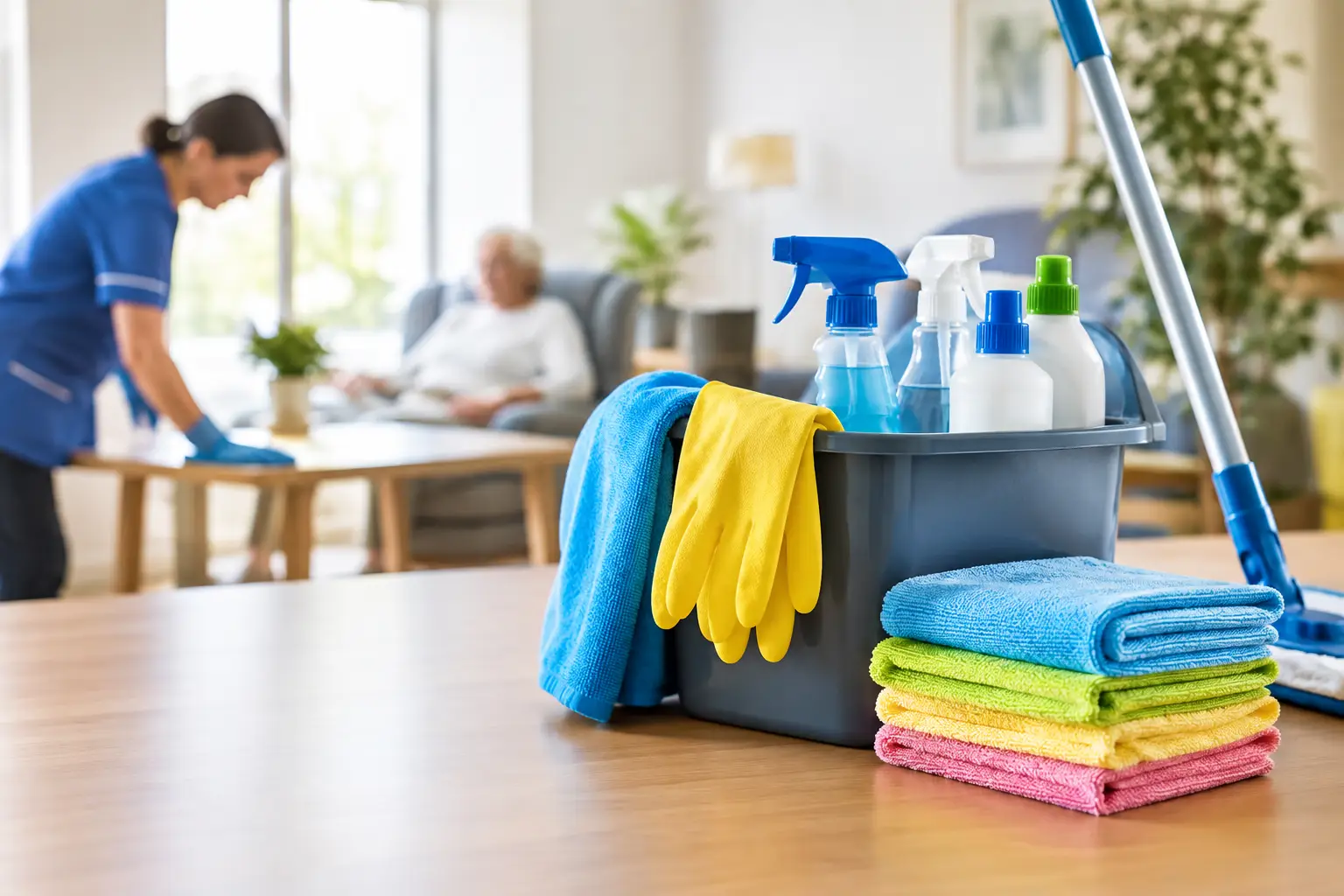
Resident rooms should feel clean, calm and personal. A quality all purpose cleaner for washable hard surfaces, glass cleaner for mirrors and internal windows, and suitable floor care products will cover many routine tasks. Staff should follow the product instructions and use colour coded cloths or equipment where the home’s procedures require it. This reduces the risk of moving dirt from washrooms or kitchens into lower risk areas.
Communal spaces need more frequent touchpoint cleaning. Door handles, armrests, tables, remote controls and handrails are handled throughout the day, particularly in busy homes. Keep the required products and disposable materials accessible to staff, but stored securely and away from residents. A clear schedule helps ensure these regular jobs are completed without relying on memory during a demanding shift.
Fragrance can make a space feel fresh, but it should not disguise poor cleaning. Choose products that remove visible soil effectively and leave surfaces clean without overpowering scents, especially where residents may be sensitive to strong smells.
Washrooms and assisted bathing areas
Washrooms require dependable products for toilets, basins, taps, shower areas, floors and high contact points. Limescale is a common challenge in many UK areas, and it can make taps, tiles and shower screens look neglected even when they are hygienic. Using the right descaler at suitable intervals helps maintain presentation and can protect fixtures from long term build up.
Separate toilet cleaner, washroom cleaner and glass or mirror cleaner can be worthwhile where different surfaces need different results. One product for everything may appear economical, but it can lead to poor finish, repeated cleaning and unnecessary damage to surfaces. The best choice depends on the materials in the home and the level of soil staff face each day.
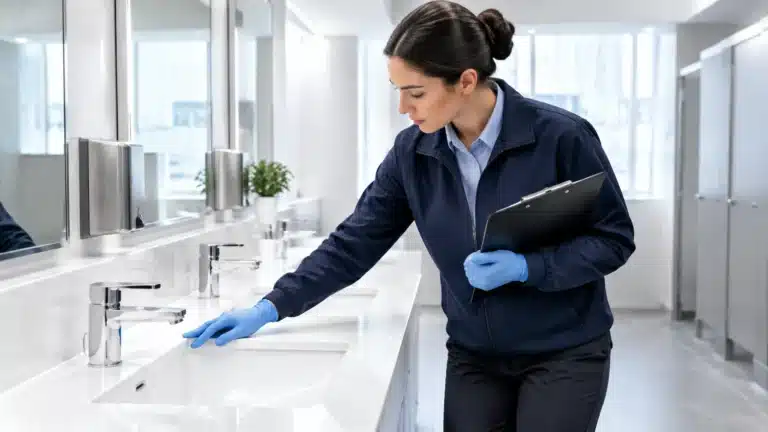
Paper hand towels, toilet tissue, soap dispensers and sanitary waste supplies are part of washroom hygiene too. These items should be checked as part of routine cleaning, not only replaced when empty. A well maintained washroom gives residents and visitors an immediate sense of the standards being upheld across the building.
Kitchens and dining areas
Care home kitchens operate under food hygiene expectations that leave little room for inconsistent products or practices. Degreasers, food safe surface cleaners, dishwashing chemicals, dishwasher care products and drain maintenance supplies should be selected for the equipment and workload on site.
Grease on extractor areas, ovens, worktops and floors is more than an appearance issue. It can affect food safety, create slip risks and make deep cleaning harder over time. Professional grade degreasers can save staff time when used at the correct dilution and contact time. However, stronger is not always better. Products need to be compatible with the surface, and staff need suitable PPE and training for safe use.
Dining tables, serving areas and chairs need prompt cleaning between meals and after spills. This is where a practical, easy to use routine matters most. Products should be clearly labelled, stored correctly and available where staff need them. Confusion over bottles or dilution rates wastes time and increases the chance of misuse.
Laundry and housekeeping rooms
Laundry is central to dignity and comfort in a care home. Bedding, towels, clothing and cleaning textiles must be handled in line with the home’s infection control procedures. Reliable laundry detergents, stain treatments and fabric care products help maintain clean, presentable linen while avoiding unnecessary rewash cycles.
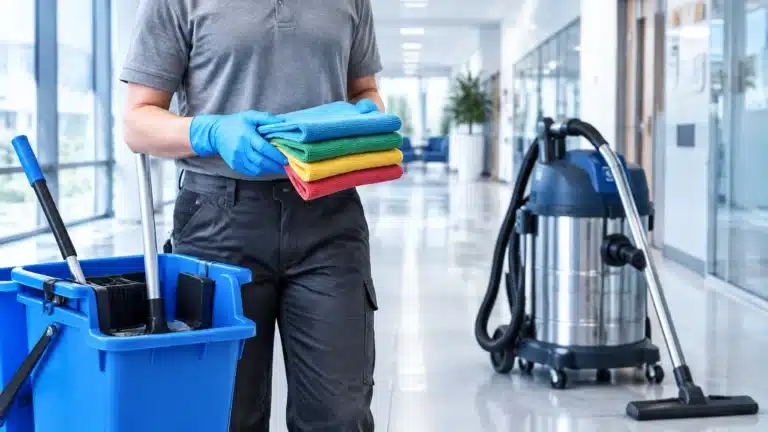
The machines themselves need attention. Detergent residue and limescale can affect performance, cause odours and shorten the life of washing equipment. Scheduled washing machine and dishwasher care supports better results and can reduce avoidable maintenance issues. Housekeeping rooms should also hold suitable bin liners, gloves, cloths, mop heads and replacement equipment so staff do not lose time searching for essentials mid shift.
Surface safety and staff safety matter equally
A cleaning product must deliver consistent results without damaging the surfaces it is intended to protect. Care homes often contain a mix of vinyl flooring, painted walls, laminate furniture, stainless steel, chrome fittings, glass and specialist upholstery. Before introducing a new chemical, check its intended use, dilution guidance and any surface restrictions. Testing on a small inconspicuous area is sensible where there is uncertainty.
Clear labelling and safe storage are non negotiable. Chemicals should remain in their original containers unless a controlled decanting process is in place, and safety information should be available to relevant staff. Dilution control is also worth reviewing. Ready to use products can be convenient for smaller tasks, while concentrated products may offer better value in larger homes with trained teams and dispensing equipment.
PPE should match the task and product. Gloves are a common requirement, but some jobs may call for eye protection, aprons or other measures. Safe systems protect staff, residents and visitors while supporting the consistent cleaning standards the home needs.
Make procurement easier to manage
Buying on price alone can create false savings. A lower cost product that needs more chemical, extra labour or repeated application is rarely the economical choice. Consider performance per use, concentration, compatibility, packaging size, storage space and how quickly a supplier can replenish regular lines.
Standardising core products across the home can simplify training and reduce ordering errors. It also gives managers a clearer picture of consumption, making it easier to spot unusual usage or stock loss. At the same time, standardisation should not force one product into every task. Specialist kitchen, washroom, laundry and floor care requirements still need appropriate solutions.
KleanPro Supplies supports organisations that need professional grade cleaning products, practical operational essentials and dependable repeat ordering. Products such as the Mistolin Pro range can form part of a considered system where performance, surface care and value are assessed together.
A clean care home is built through hundreds of small decisions made well: the cloth selected for a touchpoint, the product used on a dining table, the stock checked before a busy weekend. Give staff products they can trust, keep instructions clear, and make reliable supply part of the routine. That approach helps protect the people who rely on the home most.