
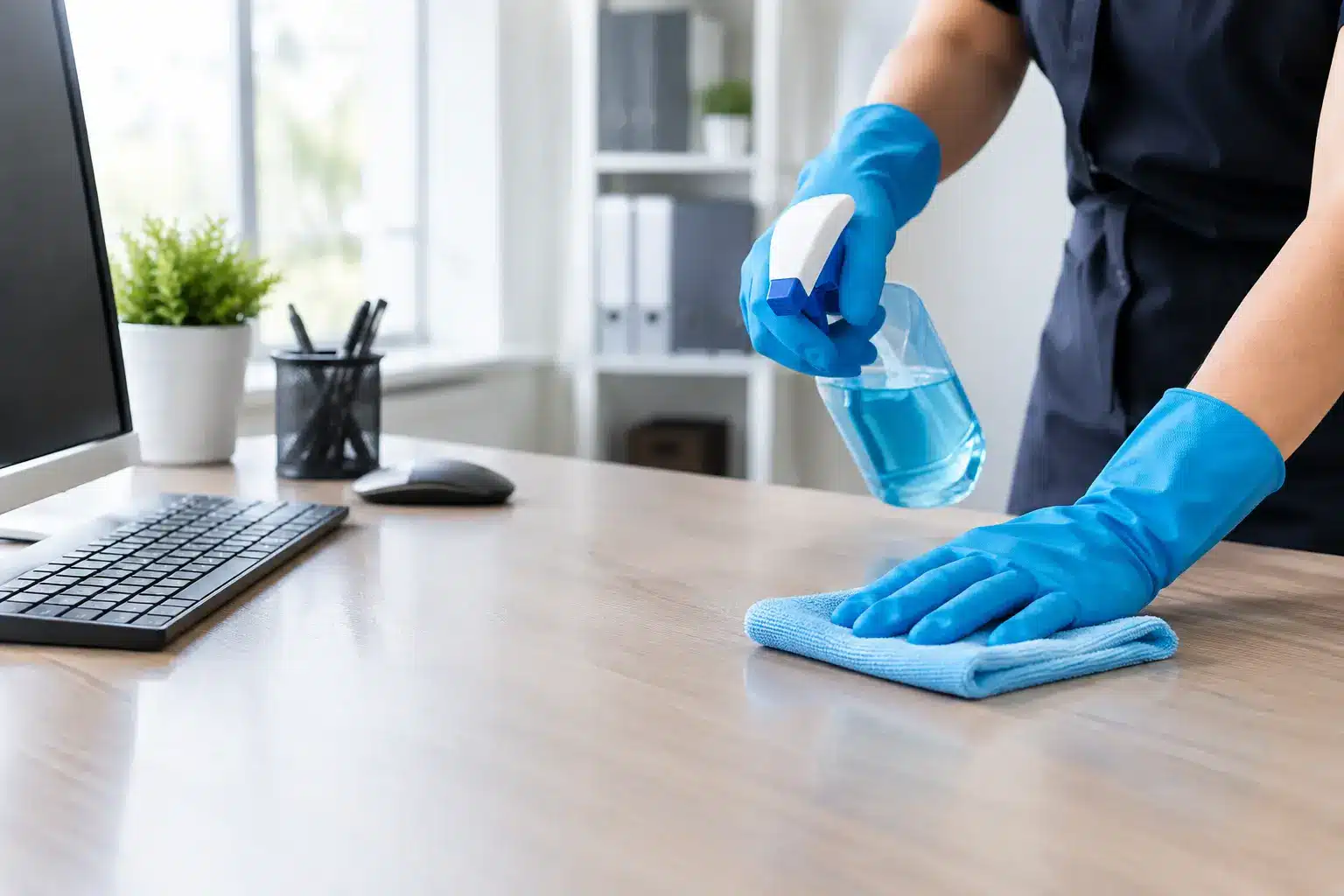

Reception desks, meeting tables, kitchen counters and touchpoints can look clean at the start of the day, then quickly collect fingerprints, drink spills and everyday grime. The right office multi surface cleaner helps teams deal with these routine demands quickly, without leaving residue, damaging finishes or adding unnecessary steps to a busy cleaning schedule.
For office managers, contract cleaners and facilities teams, the objective is not simply a pleasant looking workplace. Clean surfaces support staff confidence, present a professional image to visitors and help maintain orderly, well managed shared spaces. The cleaner selected needs to perform consistently across a broad range of materials while fitting the practical reality of daily cleaning rounds.
What an Office Multi Surface Cleaner Should Do
A multi surface cleaner is designed for routine cleaning across several washable hard surfaces. In an office, that may include laminate desks, sealed worktops, cupboard doors, plastic furniture, bins, partitions, painted surfaces and certain floor areas. A good professional product lifts common soil efficiently and dries to a clean finish, so surfaces are ready for use without repeated wiping.
Versatility matters because office cleaning rarely happens in one room or on one material. A cleaner moving between a breakout area, washroom lobby, meeting room and reception needs a product that can handle ordinary dirt without requiring a separate bottle for every surface. This reduces trolley clutter, simplifies staff training and makes stock management easier.
That said, multi surface does not mean suitable for every material. Unsealed wood, natural stone, polished metal, specialist display screens and delicate coated finishes may need a product made specifically for that surface. Always check the label and test an inconspicuous area where there is any doubt. Surface safety is part of cleaning performance, not an afterthought.
Match the Cleaner to the Cleaning Task
An office multi surface cleaner works best when its role is clear. It is typically the everyday choice for visible dirt, dust, light grease, marks around handles and general freshening of hard surfaces. In a shared kitchen, it can help remove food splashes from worktops and cupboard fronts. At reception, it can restore a neat finish to counters and visitor seating between deeper cleaning visits.
However, a routine cleaner is not automatically a disinfectant. Where a site requires a defined level of antimicrobial control, particularly in healthcare settings, washrooms or areas affected by illness, use a product that is approved and labelled for the required purpose. Follow its dilution, application and contact time instructions precisely. Cleaning first can still be necessary, as heavy soil can prevent a disinfectant from reaching the surface effectively.
Grease is another point where product choice matters. A lightly soiled staff kitchen may respond well to a multi surface cleaner, but baked on grease around cooking equipment requires a proper degreaser. Using an underpowered product can lead to extra labour, repeat wiping and disappointing results. Using an overly harsh product for a simple desk clean can create unnecessary risk to finishes and staff comfort.
Surface Care Starts With Correct Use
A quality formulation can only deliver reliable results when teams use it at the right concentration and with the right equipment. Ready to use cleaners are convenient for quick response cleaning and small areas. Concentrated products can offer better control of cost per use and reduce packaging waste for organisations with larger premises, but accurate dilution is essential.
Overdosing is a common source of streaks and residue. It may also leave desks and meeting tables feeling tacky, which encourages dust to settle again. Under dosing, on the other hand, can mean poor soil removal and wasted cleaning time. Clear dilution guidance, correctly marked bottles and simple staff procedures make a noticeable difference to consistency.
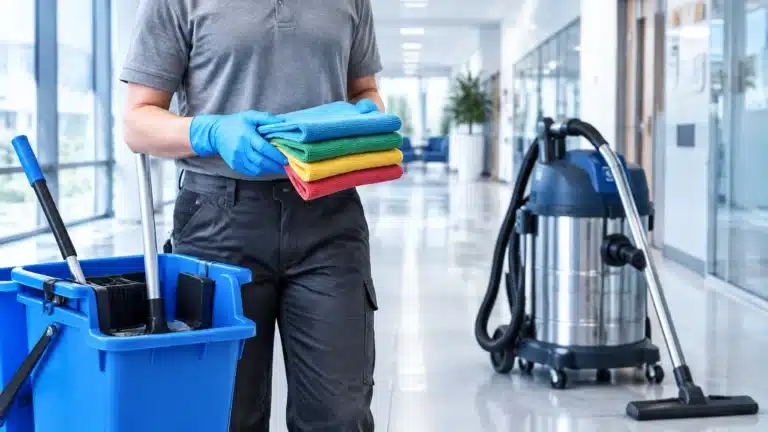
Microfibre cloths are usually a strong partner for routine office cleaning. A clean, colour coded cloth lifts soil effectively and helps avoid transferring contamination between areas. Keep cloths designated for their intended zones, such as washrooms, kitchens and general office spaces, then launder them properly. A good cleaner cannot compensate for dirty equipment.
Spray directly onto the cloth where practical, especially near keyboards, sockets and electronic equipment. This gives staff more control and helps prevent overspray. For larger washable surfaces, apply according to the manufacturer instructions, wipe thoroughly and allow the surface to dry as directed.
Build an Efficient Office Cleaning Routine
The most dependable cleaning programmes separate frequent touchpoint work from general surface cleaning and periodic detail tasks. High use areas need attention more often than boardroom shelving or low traffic storage spaces. This approach protects cleaning time for the places employees and visitors notice most.
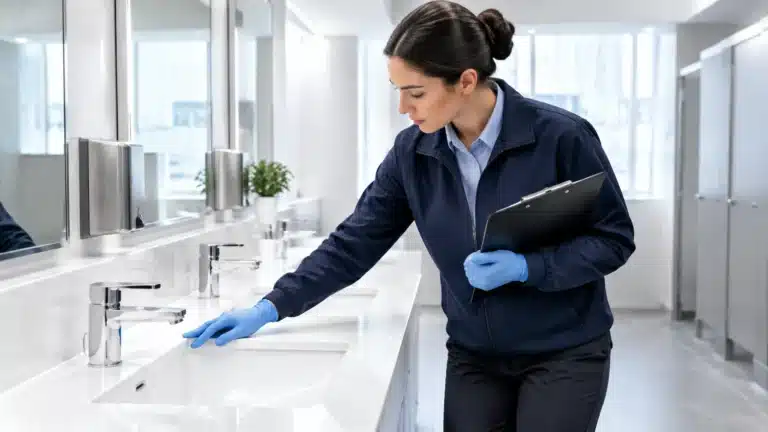
At the start of a shift, teams may focus on reception counters, kitchen worktops, shared desks, door plates, meeting tables and washroom entrance surfaces. During the day, spills should be dealt with promptly before they become sticky marks or slip risks. A final round can restore presentation in communal areas before the next working day.
There is no single frequency that suits every office. A small professional practice with a few staff has different needs from a busy call centre, serviced office or customer facing showroom. Consider occupancy levels, food preparation, visitor traffic, desk sharing and the availability of cleaning staff. Review the plan after a few weeks rather than assuming it is fixed.
Clear responsibility also prevents gaps. If employees are expected to wipe shared desks between users, provide suitable products, cloths and straightforward guidance. If cleaning staff manage all surfaces, make sure their schedule reflects actual use patterns. A visibly empty spray bottle or missing cloth station can undo an otherwise well planned system.
Choosing for Performance and Value
Price per bottle only tells part of the story. For commercial buyers, value comes from the amount of usable solution, cleaning speed, surface compatibility, reliable supply and the number of products required to complete routine tasks. A product that removes marks on the first pass and leaves a clean finish can reduce labour time across a site.
Fragrance also deserves consideration. A fresh scent can support the perception of cleanliness in reception areas and washrooms, but heavily fragranced products may not suit every workplace. Healthcare environments, food related areas and scent sensitive workplaces may prefer a more neutral option. The best choice reflects the setting and the people using it.
Professional grade ranges such as Mistolin Pro are designed for demanding cleaning routines, where teams need predictable results from product to product. When choosing a supplier, look for clear product information, sensible pack options and dependable availability. Regular shortages force teams to switch formulas without training or surface checks, which creates avoidable inconsistency.
For organisations managing several locations, standardising approved products can make ordering and staff instruction far simpler. It also gives facilities managers better visibility of consumption and spend. Bulk purchasing may be sensible for stable, high volume use, provided storage is clean, secure and within the conditions shown on the label.
Practical Checks Before You Standardise
Before rolling out a cleaner across an office estate, trial it in representative areas. Check how it performs on the actual desk finishes, kitchen counters, painted doors and furniture found on site. Look for cleaning power, ease of wiping, drying time, fragrance suitability and any residue after repeated use.
Ask cleaning staff for practical feedback. They will quickly identify whether a trigger sprays evenly, whether the product requires too much effort on common marks, or whether the bottle works well during a full shift. Their experience is useful operational evidence, particularly when a product will be used every day.
Keep product safety information accessible and ensure staff understand the basic controls: correct dilution, suitable gloves where indicated, safe storage, no mixing with other chemicals and action to take after a spill. Good cleaning standards depend on people being able to work efficiently and safely.
A well chosen office cleaner should make routine care easier, not more complicated. Select a product that suits your surfaces, give teams the right tools and maintain reliable stock, and everyday cleaning becomes one less pressure on a busy workplace.